
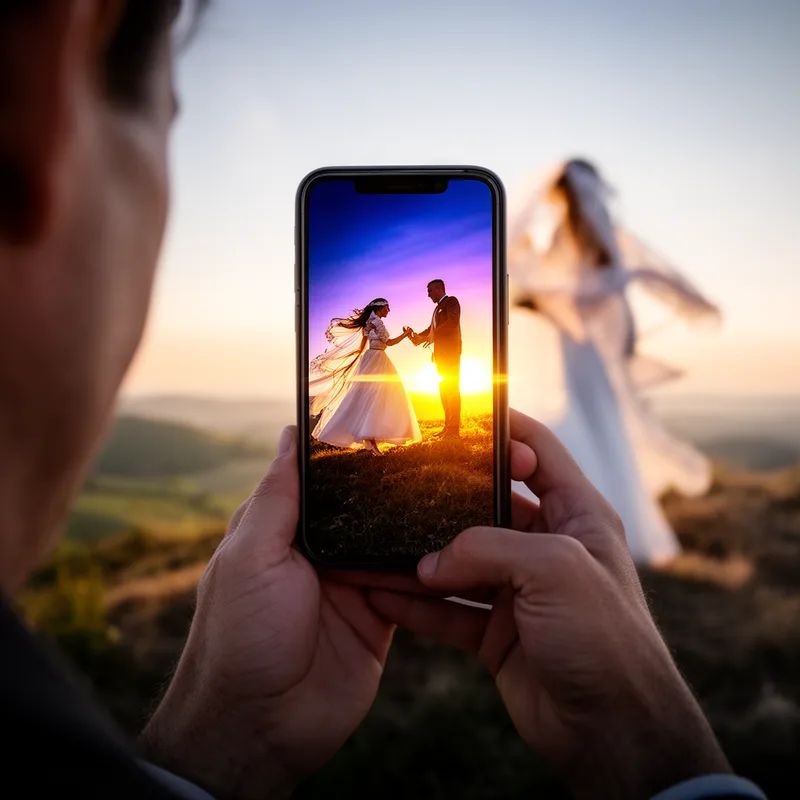
cinematographic
 1
6.8
1
6.8

- adjective
- /ˌsɪnəˈmætəˌgræfɪk/
- The film's stunning visuals and dramatic lighting created a cinematographic experience that captivated the audience.
- use of cinematographic
Examples
-
In representing working-class homes, the garish exaggerations Danny Boyle relies on contrast with Ken Loach's black-and-white cinematographic realism in ways that seem representative of the end of an era.
Academic text (2016) -
Out of them, the first one, named the temporal series, includes the moving pictures or cinematographic films and is not applicable to the current research.
Academic text (2018) -
The cinematographic industry was also much affected by the new technologies.
Academic text (2001) -
In other words, the painting consists of juxtaposed frames that produce a cinematographic tracking effect.
Academic text (2003) -
Brazil, in particular, has become noted for a more cinematographic style in its telenovelas, involving more exterior scenes, more varied shots, and more action scenes.
Academic text (1991) -
However, the motion picture in fact incorporates the late 1960s Tropicalia aesthetic into a cinematographic idiom.
Academic text (2000) -
Since 1932, Venice Lido has been hosting the "International Exhibition of Cinematographic Art" of the Biennale.
Blog text (26) -
A lifelong movie fan whose multifaceted career has included film direction, Manet makes frequent use of both cinematographic techniques and intertextual references to film in his stage plays.
Academic text (1994) -
As suggested earlier, a naturalistic approach to image making has become less common, as seen, for example, in the cinematographic work of Nestor Almendros (awarded best cinematography for Days of Heaven, 1978).
Academic text (2017) -
Traditionally, these latter elements are part of an earlier cinematographic approach, where all the formal elements that constitute the image merge in unison in the lens as the cinematographer searches for an intimate encounter with the spontaneous.
Academic text (2017)
Synonyms
 55
4.9
55
4.9
Having the look of a film, with dramatic wide shots
 2
6.6
2
6.6
Having the look and feel of a movie
About the look and style of movies

Having the style and mood of a movie

Like the look of a movie
How Cinematic

Surface Forms
Morphology
cinematographic = cinematography (transparent) = cinematography + ic
Formed from the noun 'cinematography' with the adjective-forming suffix '-ic'; meaning 'relating to film' is directly derived.
Etymology
Cinematographic comes from cinema, which comes from a Greek root meaning 'move', and the ending -graphic, as in photograph, meaning 'to record'. So the word originally meant 'recording movement', which is exactly what movies do, and that's why something cinematographic looks like a film scene.