
chlamydeous
- adjective
- /klæˈmɪdiəs/
- Specialized
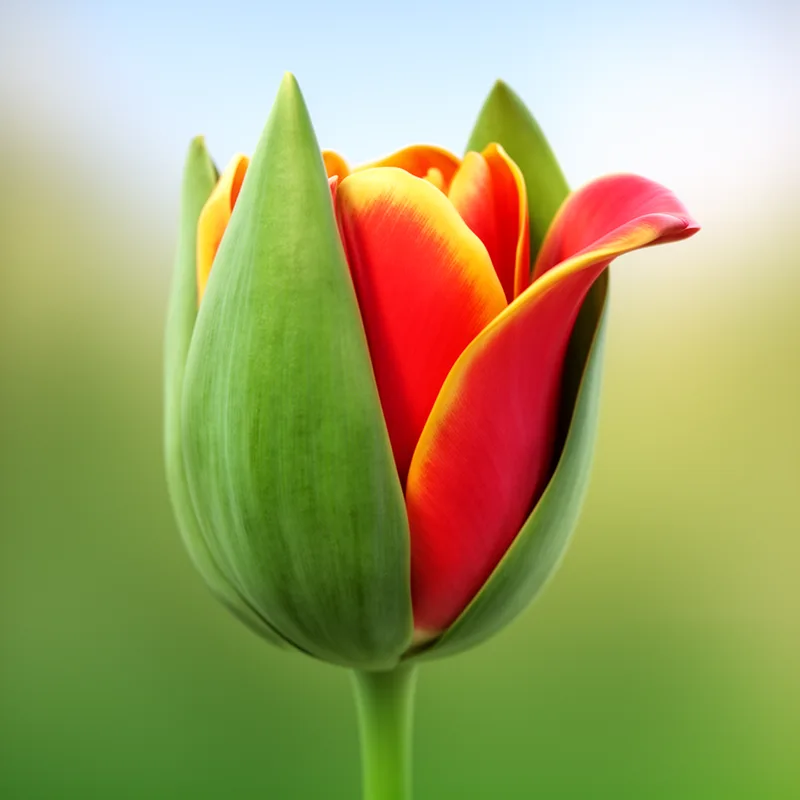
- The tulip is a chlamydeous flower because it has both a calyx and a corolla.
Examples
-
Many garden flowers exhibit chlamydeous structures in their perianths.
-
This flower is chlamydeous.
-
In botanical taxonomy, chlamydeous characteristics help distinguish various plant species.
-
Look at how chlamydeous this flower is!
-
In botanical taxonomy, chlamydeous characteristics help distinguish various plant species.
-
Many garden flowers exhibit chlamydeous structures in their perianths.
-
The tulip is a chlamydeous flower because it has both a calyx and a corolla.
Antonyms
Surface Forms
Morphology
chlamydeous = chlamyd (opaque) = chlamyd + eous
The combining form 'chlamyd-' and the suffix '-eous' produce a specialized botanical adjective that an average learner cannot derive from common English vocabulary.
Etymology
The word chlamydeous comes from the Greek chlamys, meaning 'cloak'. So a chlamydeous flower has a 'cloak' of petals and sepals, named the corolla for the petals and the calyx for the sepals, which explains why the word describes a flower with a floral envelope.

