
child abuse
 86
3.7
86
3.7

- noun
- /tʃaɪld əˈbjus/
- Offensive
- The social worker reported suspected child abuse to the authorities after noticing the child's injuries.
- child abuse and neglect
- report child abuse
- prevent child abuse
Loading YouTube…
Watch on YouTubeA lot of it was a child abuse, child sexual abuse.
- A lot of it was a child abuse, child sexual abuse.
- She's prosecuted child abuse and sex crime cases for years.
- But back then it was still considered child abuse because degree of my injuries.
- A school doing this without notifying the parents is child abuse.
- My mum was once questioned for child abuse.
- What do you think is the number one predictor of there being child abuse in a home?
- We have to make sure that our government doesn't cover up child abuse anymore, child trafficking.
- You're going to lose because you have no evidence to support this child abuse whatsoever.
- People were calling it child abuse and just crucifying his parents.
Examples
-
To his neighbors and the police, it was child abuse, and his son was taken away.
Academic text (1999) -
And if you ever hurt him again, so help me God, I will have you arrested for child abuse.
-
This is child abuse and you are guilty.
-
My wife calls it child abuse.
-
This has to be child abuse.
-
When I say the words child abuse, what springs to mind?
-
If you know somebody that's going through domestic abuse or child abuse, watch this.
-
The Department of Justice is also coordinating with state and local law enforcement to fight child abuse in our school systems.
-
Not all child abuse is deliberate and malicious, but some of it is.
Academic text (2011) -
More than 2.2 million cases of child abuse and neglect were reported in 1987.
Academic text (1997)
Synonyms
 686
3.2
686
3.2
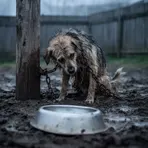
Harmful treatment of people or animals that happens again and again
 22
4.0
22
4.0
Hurting or being unfair to people and animals
 4
7.0
4
7.0
Cruel treatment that hurts people or animals physically and emotionally
How Severe
- Offensive
7
9.9

- Offensive
86
3.7
Surface Forms
Morphology
The meaning is directly and predictably formed from 'child' (a minor) modifying 'abuse' (mistreatment), so it denotes mistreatment directed at children. This noun–noun composition is cross-linguistically common and follows expected semantic combination, so a B1 learner who knows both constituents would readily infer the meaning.
Etymology
Child abuse comes from joining child (a young person) and abuse (treating someone badly). It creates the image of a child being hurt or scared by an adult who should protect them, so it means 'the physical, emotional, or sexual mistreatment of children'.