

chemesthesis
- noun
- /ˌkɛmɛsˈθiːsɪs/
- Specialized
- After applying the new skincare product, she experienced a surprising chemesthesis reaction that left her skin tingling.
Examples
-
Purpose: To explore the influence of taste and trigeminal irritation (chemesthesis) on durational aspects of tongue movement in liquid swallowing, controlling for the influence of perceived taste intensity.
Academic text (2012) -
These findings support the general principle that certain tastes may facilitate a shortening of the tongue movement sequence with earlier achievement of peak position, but they do not demonstrate the anticipated priming effect of chemesthesis.
Academic text (2012) -
The chef's use of certain spices often triggered chemesthesis; customers reported a pleasant tingling sensation on their lips.
-
People with heightened chemesthesis can feel discomfort from common substances, such as certain soaps or detergents.
Synonyms


 1
8.1
Detecting chemical signals in the body and environment, for example taste or smell

How easily cells or nerves react to chemicals like smells and tastes
How Sensitive
∞
1.0
 23
3.9
- Specialized
23
3.3
- Specialized
1
4.4
Surface Forms
Morphology
Etymology
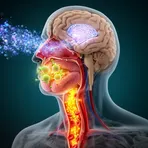
The word chemesthesis comes from the parts chem- meaning 'chemical' and -esthesis meaning 'sensation' or 'feeling', like in anesthesia. So it literally means a 'chemical feeling', which is why substances like wasabi or menthol give a burning or cooling feeling on the skin or in the mouth.