

cerebral aqueduct
- noun
- /ˈsɛrəbrəl ˈækwɪdʌkt/
- Specialized
- The cerebral aqueduct can sometimes become blocked, leading to hydrocephalus.
Examples
-
MRI scans help doctors examine the cerebral aqueduct for any abnormalities.
-
Proper cerebrospinal fluid flow relies on an open and functioning cerebral aqueduct.
-
The cerebral aqueduct plays a crucial role in brain function.
-
Can you explain the function of the cerebral aqueduct?
-
The cerebral aqueduct allows cerebrospinal fluid to flow between the third and fourth ventricles of the brain.
-
Damage to the cerebral aqueduct can lead to conditions affecting the flow of cerebrospinal fluid.
-
Doctors examine the cerebral aqueduct to assess issues related to brain fluid circulation.
Synonyms
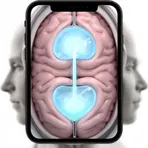
A narrow tube in the middle of the brain that connects two fluid spaces and lets brain fluid flow

A narrow tube in the brain that connects the third and fourth ventricles and carries the fluid around the brain
Surface Forms
Morphology
The compound is directly compositional: 'cerebral' locates the structure in the brain and 'aqueduct' denotes a channel for carrying fluid, so a learner who knows both words can infer a brain canal that carries fluid. Although the precise anatomical details (which ventricles it connects) are specialist, the core meaning is transparently derived from the constituents and is cross‑linguistically predictable.
Etymology
Cerebral aqueduct combines cerebral, meaning 'brain', and aqueduct, meaning an old 'water channel'. Imagine a tiny pipe in the brain that connects the third and fourth ventricles and lets cerebrospinal fluid 'flow' between them, so the name fits what it does.

