

cataphract
- noun
- /ˈkætəˌfrækt/
- During the siege, the general relied on his cataphracts to charge the enemy lines.
Examples
-
And so the next cataphract could make ready for battle.
-
Cataphract performed better this time, although it could still use tweaking.
Blog text (2) -
When fighting broke out, the Imperial Cataphracts initially landed a punishing blow.
-
A cataphract unit might boast excellent defense skills and even attack skills, but low agility as well as speed and stamina, so that while they are tanks, they can be worn down from extended combat.
Blog text (3) -
Among them were units seldom seen in Germany, Armenian Archers, North African Spearman and even mercenary cataphracts from the Persian frontier.
-
The ancient cataphract was designed to provide maximum protection during combat.
-
He trained daily to wear the heavy cataphract armor effectively in battle.
Synonyms

 31
4.1
31
4.1

Clothing made of strong material that protects the body from bullets and blows
 8
7.2
8
7.2
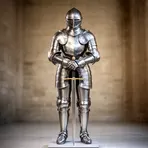
A full set of metal plates that cover the body and protect it in battle, often worn by knights
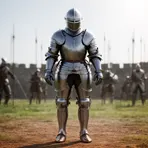
A complete suit of metal plates that covers the body and protects a knight in battle
How Protective

Surface Forms
Etymology
Cataphract comes from Greek parts kata- 'down' and phraktos 'closed', so it literally means 'completely enclosed'. A cataphract was a soldier and his horse covered all over in armor, which is why the word means full-body armor used by heavy cavalry.