
catalexis
- noun
- /ˌkætəˈlɛksɪs/
- Literature
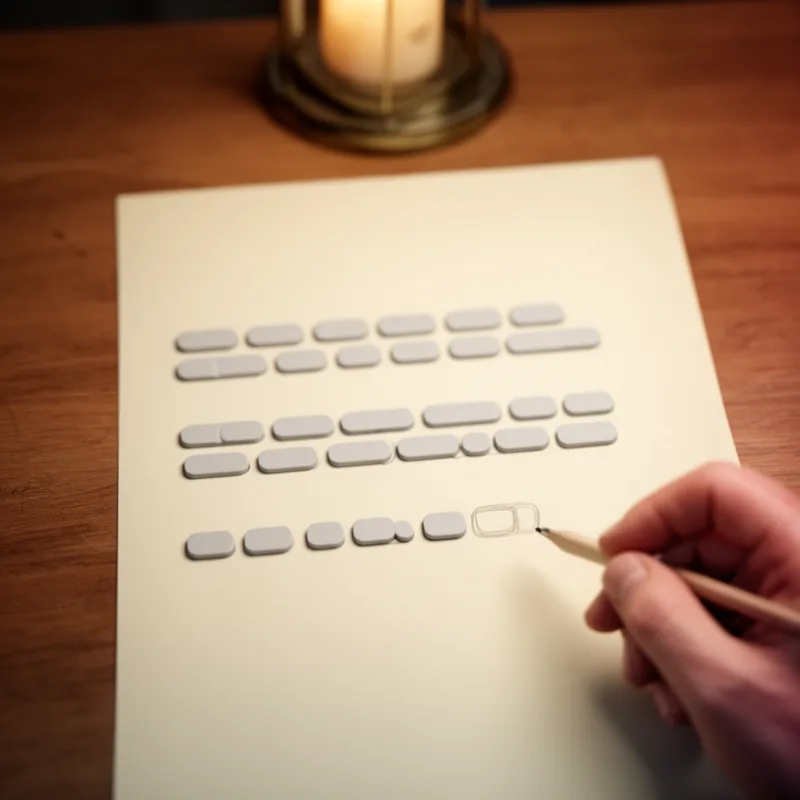
- In metrical poetry, catalexis occurs when a final syllable is purposely omitted from a line.
Examples
-
But though catalexis may irritate the pedants, it is not (as it would be in French) a metrical defect, since meter in English is based in the first instance on a count not of syllables but of beats.
Academic text (2001) -
We might look to the catalexis itself, which is an atypical metrical phenomenon in Eliot's poetry.
Academic text (2017) -
Where the catalexis does not coincide.
Academic text (2001) -
One naturalistic device that Larkin takes further than Lowell (as Table 1 shows) is medial catalexis.
Academic text (2001) -
Though single catalexes generally go unremarked, multiple catalexis will sometimes obtrude itself upon a critic's attention, in which case it will tend to be interpreted prescriptively as a departure from metricality.
Academic text (2001) -
The fifth-foot catalexis seen in 20 and in the last examples of 19 (often combined, as here, with harsh mapping) became, with its somber or musing cadence, a trademark of Larkin's style right up to the last great poem that he wrote: PREFORMATTED TABLE
Academic text (2001) -
This line can only be iambic because trochaic tetrameter (perhaps being too recent a form to have developed conventional variations) does not tolerate inversion, internal catalexis, or hypermetricality: PREFORMATTED TABLE
Academic text (2001) -
Many poets use catalexis to create a unique rhythm in their verses.
-
The presence of catalexis in a poem can give it an unexpected and interesting structure.
Surface Forms
Etymology
Catalexis comes from Greek parts cata- meaning 'down' and -lexis meaning 'word', the same root you see in lexicon. So it helps to think of a line being 'cut short' at the end — catalexis means leaving off the last syllable of the final foot in a line of verse.

