
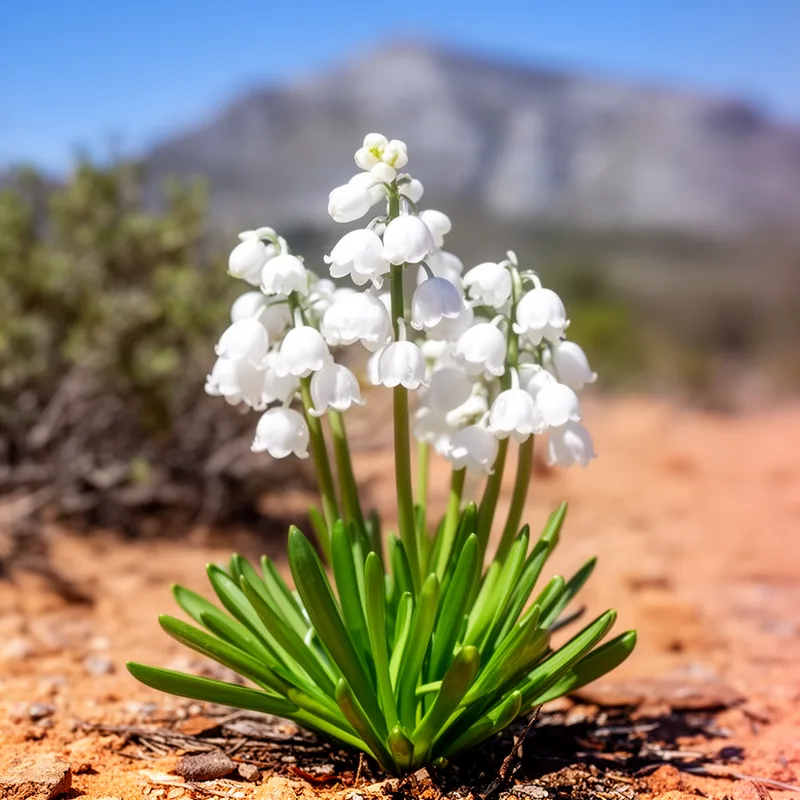
cape hyacinth
- noun
- South African
- The cape hyacinth produces stunning white flowers in early spring.
Examples
-
Gardeners in South Africa often cultivate the cape hyacinth for its ornamental value.
-
Researchers studied the habitat preferences of the cape hyacinth in its native range.
-
The cape hyacinth blooms beautifully in spring.
-
Did you see a cape hyacinth?
-
Gardeners in South Africa often cultivate the cape hyacinth for its ornamental value.
-
The cape hyacinth produces stunning white flowers in early spring.
-
Researchers studied the habitat preferences of the cape hyacinth in its native range.
Synonyms

A South African plant with white bell-shaped flowers grown in gardens
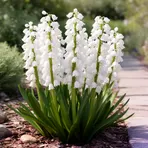
A southern African plant with spikes of white bell-shaped flowers grown in gardens
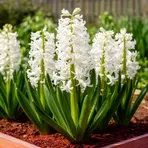
A plant from southern Africa with white bell-shaped flowers grown in gardens
Surface Forms
Morphology
The noun is a straightforward composition of 'cape' (a geographic/promontory name or region) and 'hyacinth' (a bulbous flowering plant), so a learner who knows both words can infer it denotes a hyacinth associated with the Cape region. This follows common place+entity naming patterns cross-linguistically, making the meaning directly derivable from the constituents.
Etymology
Cape hyacinth comes from a simple picture: a small plant with bell-shaped flowers like a hyacinth that grows in the Cape of South Africa. So the name means 'a hyacinth from the Cape', which explains why it refers to that local flowering plant.

