
canafistola
- noun
- Specialized
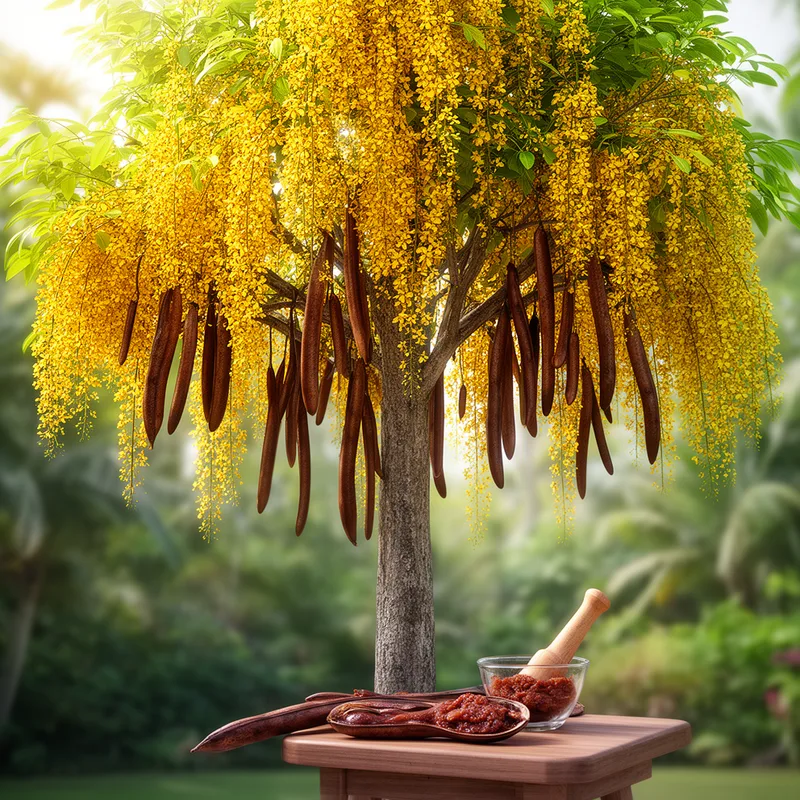
- The canafistola is prized in traditional medicine for the pulp found in its long pods.
Examples
-
Bright drooping racemes cover the canafistola during the rainy season in tropical gardens.
-
Researchers are studying compounds extracted from canafistola for their potential health benefits.
-
The canafistola blooms beautifully.
-
In Brazil, the canafistola is valued.
-
The canafistola, with its fragrant yellow flowers, attracts many pollinators in tropical regions.
-
Traditional healers often use the pulp of the canafistola pods for various medicinal purposes.
-
In tropical areas, the canafistola tree is known for its unique drooping flower racemes.
Synonyms

A tropical tree with hanging yellow flowers and pods whose soft inside is used as medicine

A tropical tree with bright yellow flowers and long pods that people use for medicine

A tropical tree with long hanging clusters of bright yellow flowers

A tropical tree with fragrant yellow hanging flowers and seed pods used in traditional medicine

A tropical tree with yellow flowers and pods used as a laxative
Surface Forms
Etymology
The word canafistola can be remembered as cana (like the English 'cane', a reed) plus fistola ('tube' or 'pipe'). So, the name paints a picture of the tree's long, tube-like pods and helps explain why this tropical plant is known for the pulp in its long pods used in traditional medicine.

