
cambiata
- noun
- /kæmˈbiːəˌtɑ/
- Specialized
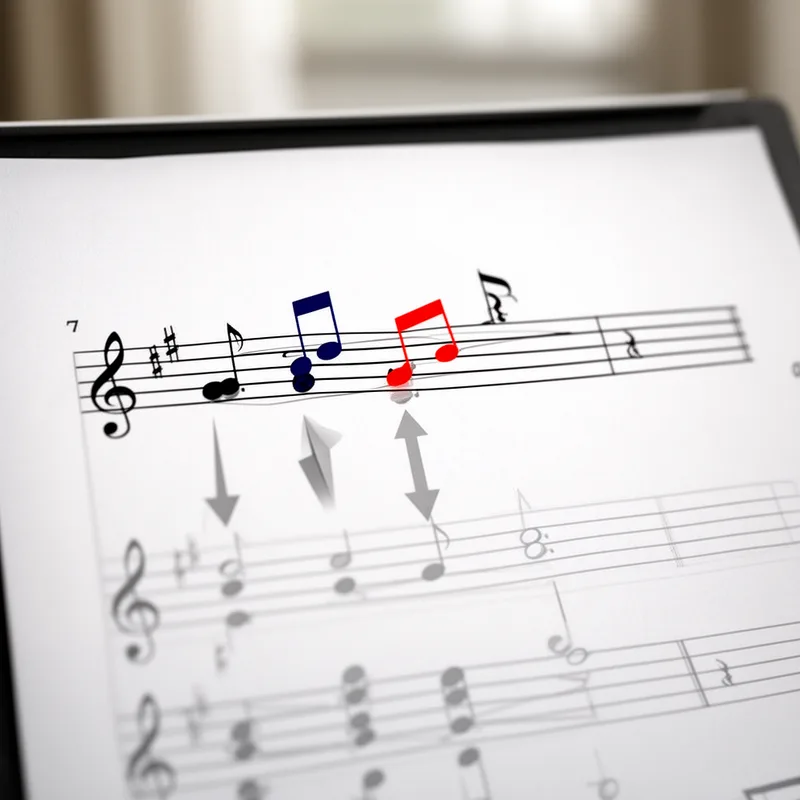
- In counterpoint, a cambiata typically approaches a strong note by step and resolves with a leap.
Examples
-
The cambiata effect can enhance a melody by introducing a dissonance that resolves beautifully.
-
A cambiata is often used in music to create an unexpected emotional turn by using a nonharmonic note.
-
Researchers agree that the best cambiata singing range is between A above and A below middle C.
Academic text (2003) -
Swanson criticized Cooper's work for a number of reasons, particularly Cooper's "cambiata concept" that states the male changing voice is somewhat limited in range.
Academic text (2008) -
Whether termed cambiata, tenor, or boy treble, male adolescent voices are in the process of changing.
Academic text (2003) -
Focusing on the words of previous music educators, this article explores how the male changing voice, sometimes called cambiata, has been portrayed in MEJ over time.
Academic text (2008) -
False baritones and boys in the first stage of change were labeled "cambiatas" (from the Italian word for "changed").
Academic text (1999) -
Somewhat in response to McKenzie's work, Cooper and Kuersteiner (1965) developed their cambiata plan, using the term cambiata to avoid confusion with the many conflicting ranges proposed by the alto-tenor plan.
Academic text (2015) -
Somewhat in response to McKenzie's work, Cooper and Kuersteiner (1965) developed their cambiata plan, using the term cambiata to avoid confusion with the many conflicting ranges proposed by the alto-tenor plan.
Academic text (2015)
Surface Forms
Etymology
Cambiata comes from the Italian verb cambiare, which means 'to change'. So a cambiata is a 'changed' note in a melody — it leaves the usual step motion and then jumps by a leap to create a small surprise or tension.

