
calyculate
- adjective
- /ˈkælɪkjʊlɪt/
- Specialized
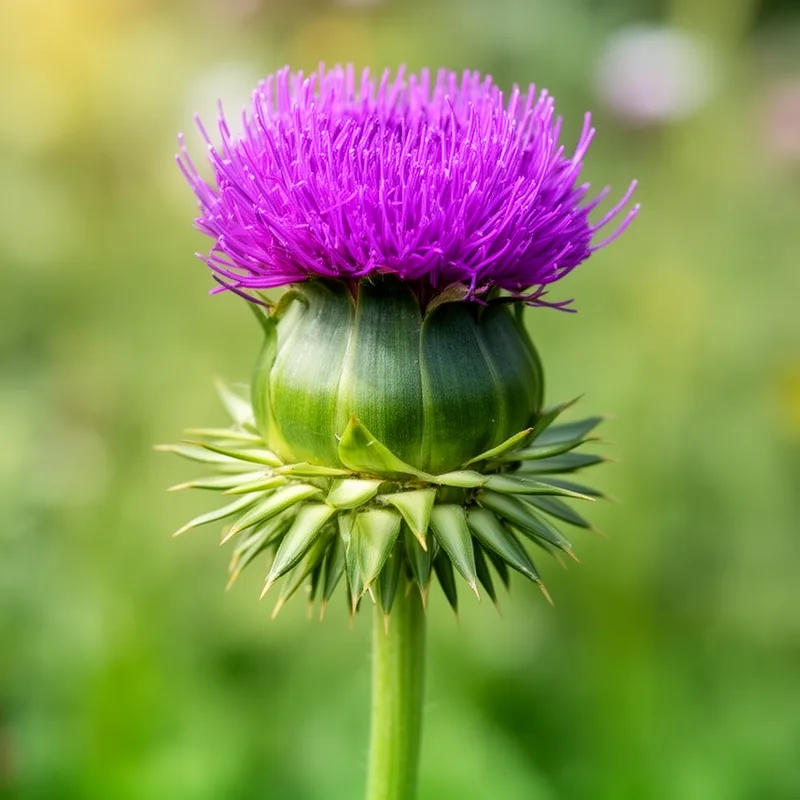
- Some thistle species are easily identified by their calyculate heads.
Examples
-
The botanist noted the calyculate nature of the plant's bracts in her field notes.
-
The calyculate involucre supports the delicate petals of the flower.
-
The calyculate flowers of the plant are quite unique.
-
Many species exhibit calyculate characteristics.
-
The calyculate flowers of the plant are beautifully adorned with small bracts.
-
The calyculate involucre provides a striking contrast to the colorful petals.
-
To identify the species, the botanist studied the calyculate structure of its flower heads.
Synonyms

Having an extra ring of small leaf-like parts under a flower's outer leaves
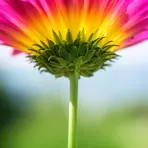
Having a cup shape or a ring of tiny leaves under a flower

A small cup-shaped part of a plant or animal
Surface Forms
Morphology
Etymology
Calyculate comes from the Latin calyculus, a small form of calyx, which means 'cup' or 'outer flower leaves'. So calyculate describes a plant that has a little cup-like ring of small leaf-like parts under the main calyx.

