
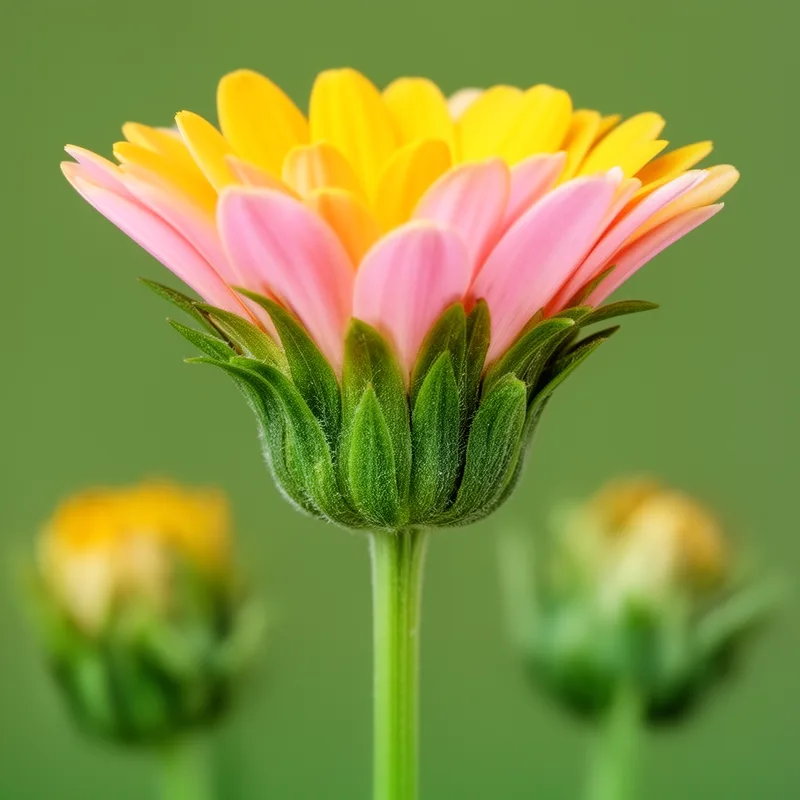
calycine
- adjective
- /ˈkælɪˌsaɪn/
- Specialized
- The calycine structure of the flower is quite unique.
Examples
-
The calycine tube is unusually elongated in some tropical plants.
-
Under the microscope, the calycine segments appear slightly hairy.
-
The calycine structure is easily visible in this species of wildflower.
-
Many plants exhibit calycine characteristics in their blooms.
-
The calycine structure is easily visible in this species of wildflower.
-
In botany, the calycine features can help identify different types of flowers.
-
Many plants exhibit calycine traits that distinguish them from other species.
Synonyms
Of the outer parts of a flower that protect the bud
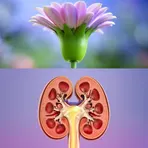
Cup-shaped part of a flower or the part of a kidney that collects urine
Surface Forms
Morphology
Etymology
Calycine comes from calyx, a Greek word meaning 'cup' because the calyx is the outer cup of a flower that holds and protects the petals. So, calycine means 'like a calyx' or related to that outer part of a flower.

