
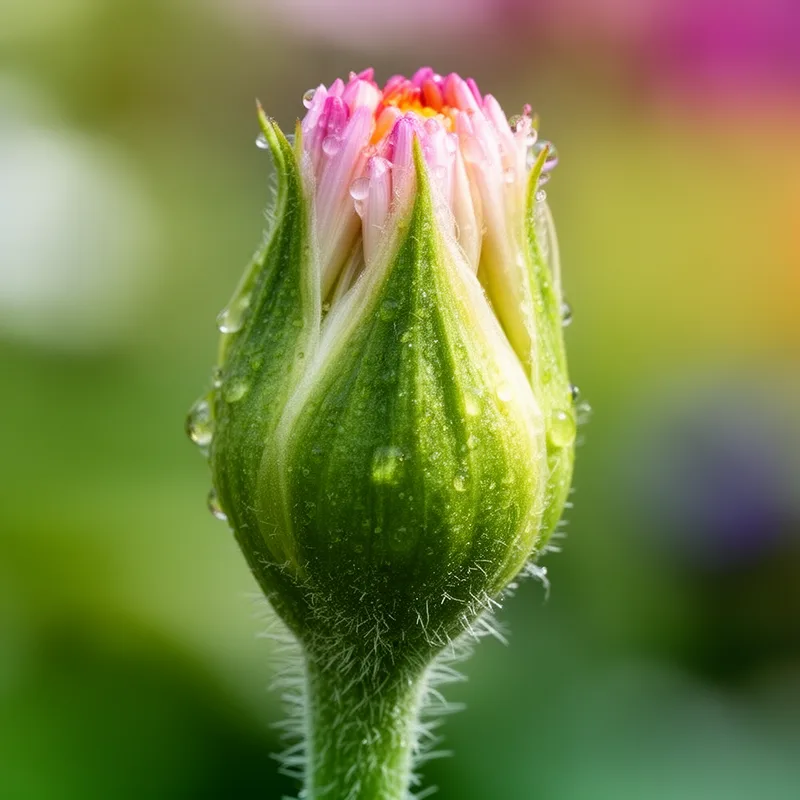
calycinal
- adjective
- /ˌkælɪˈsaɪnəl/
- Specialized
- In some species, the calycinal tube is fused to protect the developing flower.
Examples
-
The botanist noted the presence of a unique calycinal structure around the bud.
-
The plant displays calycinal hairs covering the surface of its stem.
-
The calycinal structure of the flower is quite unique.
-
Is this plant known for its calycinal features?
-
The calycinal part of the flower plays a crucial role in attracting pollinators.
-
Botanists often study the calycinal characteristics to better understand plant evolution.
-
A calycinal modification can significantly change how a flower interacts with its environment.
Synonyms
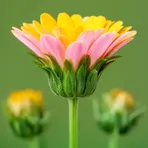
Having outer leaf-like parts that surround the base of a flower
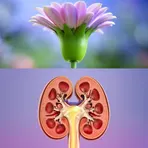
Cup-shaped part of a flower or the part of a kidney that collects urine
Surface Forms
Morphology
Etymology
Calycinal comes from calyx, a word from Greek meaning 'cup' or 'bud', so a calycinal part is 'cup-like', like the small cup that protects a flower.

