
calefacient
- adjective
- /ˌkælɪˈfeɪʃənt/
- Specialized
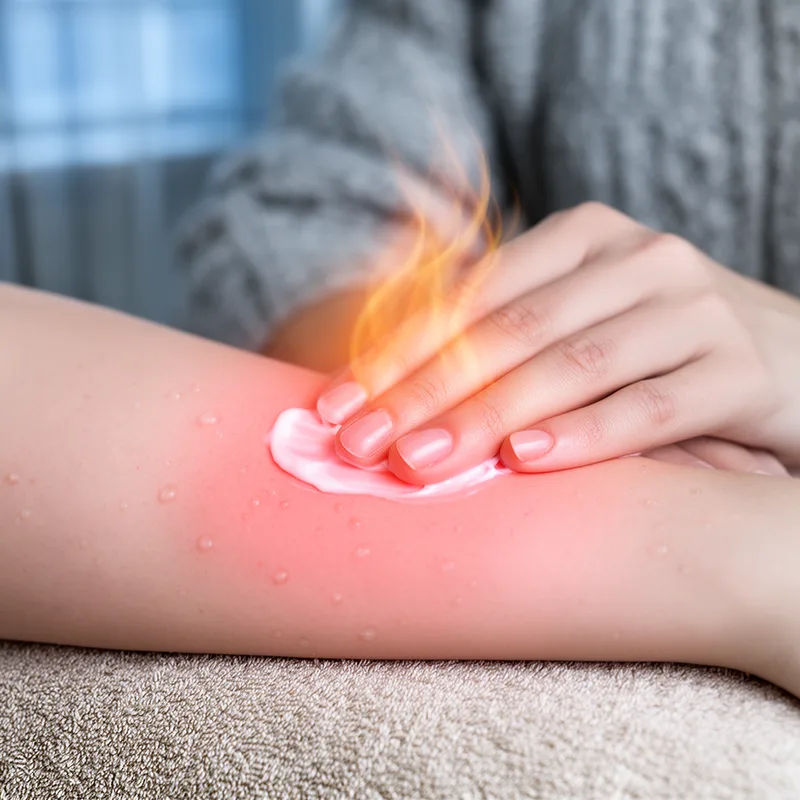
- The calefacient cream warmed my sore muscles.
Examples
-
She used a calefacient patch to ease the tension in her neck.
-
Many athletes use calefacient oils before their workouts.
-
Applying a calefacient cream can help improve blood circulation in cold limbs.
-
The doctor recommended a calefacient ointment to relieve the sore muscle.
-
The doctor recommended a calefacient ointment to relieve muscle tension after exercise.
-
Applying a calefacient cream can help warm cold hands and improve circulation.
-
She used a calefacient patch to generate warmth and ease her muscle discomfort.
Synonyms


 1
7.4
1
7.4
To make the body produce more heat

To make a part of the body feel hot

Producing heat to make things warm

Making heat to warm a room or place

A food that makes the body feel warmer when eaten

A substance that makes the body temperature rise

Producing heat or able to produce heat
How Warming

Surface Forms
Morphology
calefacient = calefaci + ent
Formed from a Latin combining form (calefaci-) plus the learned adjectival suffix -ent; there is no familiar English base for learners to use to deduce the meaning.
Etymology
Calefacient comes from two Latin parts, calere ('to be warm') and facere ('to make'), so it literally means 'to make warm'. That is why a calefacient cream or patch gives a warm feeling on the skin to help with pain or tight muscles.