

calcium-silicate brick
- noun
- /ˈkæl.si.əm ˈsɪl.ɪ.keɪt brɪk/
- Specialized
- Unlike traditional clay bricks, calcium-silicate bricks are lighter in color and have a smoother finish.
Examples
-
When choosing materials for the facade, the architect preferred calcium-silicate brick for its durability and modern look.
-
The builder used calcium-silicate brick for the new wall.
-
The construction company selected calcium-silicate brick for the building because of its uniform appearance.
-
Why are calcium-silicate bricks preferred in modern construction?
-
The construction company selected calcium-silicate brick for the building because of its uniform appearance.
-
When choosing materials for the facade, the architect preferred calcium-silicate brick for its durability and modern look.
-
Unlike traditional clay bricks, calcium-silicate bricks are lighter in color and have a smoother finish.
Synonyms

 440
1.0
440
1.0

A hard rectangular block of baked clay used to build walls or paths
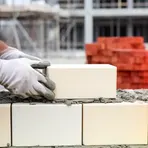
A type of brick made from sand and lime used for building

A light gray building block made from sand and lime instead of clay

A brick made from sand and lime, usually light gray in color
Surface Forms
Morphology
calcium-silicate + brick
The phrase is compositionally transparent: the first part names the material (calcium‑silicate) and 'brick' names the object, so a learner who knows the constituents can infer it is a brick made from calcium silicate. Even though 'calcium‑silicate' is somewhat technical, the common adjective‑material + noun pattern is cross‑linguistically familiar and makes the overall meaning predictable.
Etymology
The compound noun calcium-silicate brick comes from the materials used to make it: calcium, from lime, and silicate, from sand, are mixed and pressed into a hard brick. So the name means 'a brick made from sand and lime'.