
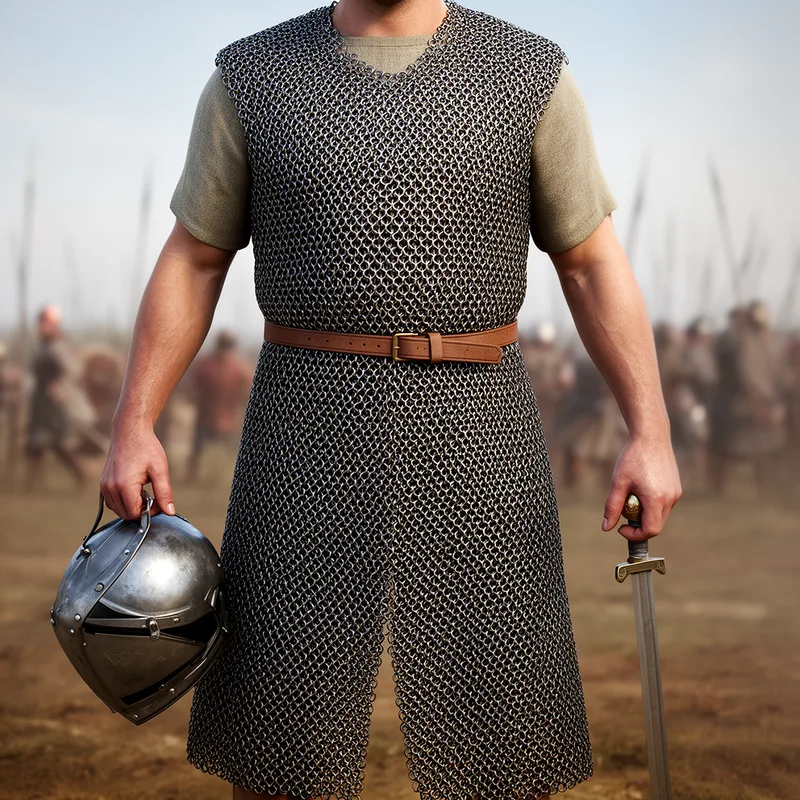
byrnie
- noun
- /ˈbərnē/
- Archaic
- The knight wore a shiny byrnie for protection.
Examples
-
Archaeologists found a rusted byrnie among the ancient burial goods.
-
In old sagas, heroes are often described wearing a shimmering byrnie into combat.
-
The knight donned his byrnie before heading into battle.
-
Can you see the byrnie on that statue?
-
He donned a byrnie to protect himself in battle.
-
The byrnie provided excellent defense against sword strikes.
-
In medieval times, knights commonly wore a byrnie as part of their armor.
Synonyms
 8
9.9
8
9.9

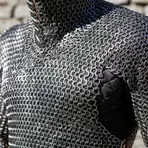
Armor made of small metal rings joined to protect the body
 4
8.6
4
8.6
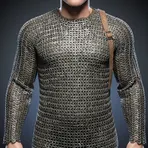
A flexible shirt of small metal rings joined together for protection

A long shirt of metal rings worn by soldiers for protection in battle

A protective shirt made of small metal rings linked together, worn by knights and soldiers
Surface Forms
Etymology
Byrnie comes from Old Norse brynja, which means 'coat of chain mail' and brings to mind a shirt made of many small metal rings. So a byrnie is a protective metal tunic worn into battle.