
butadiene
 2
9.0
2
9.0

- noun
- /ˌbjuːtəˈdaɪiːn/
- Specialized
- In the paper that first defined the ONIOM method, we discussed the addition of acrolein to substituted 1,3-butadienes, where ethylene-butadiene was used as the model system.
- butadiene styrene
- 1,3-butadiene
- acrylonitrile-butadiene
Examples
-
Featuring the base finished in Acrylonitrile butadiene styrene (ABS) and the lid made using Styrene-acrylonitrile resin (SAN), the iPhone dock also includes a high-powered USB.
Blog text (31) -
This is butadiene plus ethylene going to cycle hexane.
-
Start with the dimethylcyclobutane and and see which which butadiene it forms.
-
24 These cancer-causing emissions include diesel particulates, butadiene, benzene, and formaldehyde.
Academic text (1994) -
In the paper that first defined the ONIOM method, we discussed the addition of acrolein to substituted 1,3-butadienes, where ethylene-butadiene was used as the model system.
Academic text (2001) -
Polylactic acid (PLA) and acrylonitrile butadiene styrene (ABS) are the two thermoplastics most commonly used in FDM printing.
Academic text (2015) -
For example, the researchers have found that a combination of starch and acrylamide had similar adhesive strength in pigmented paper coatings as non-starch materials such as polyvinyl alcohol and styrene-butadiene.
Academic text (1994) -
Butadiene is primarily used in the manufacture of butadiene products.
-
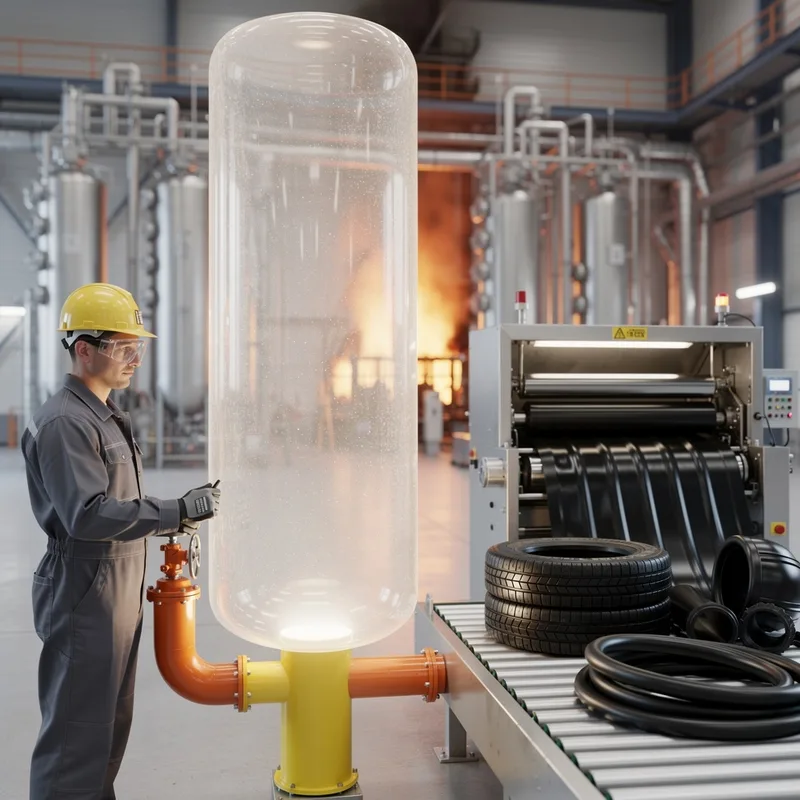
During the chemical process, butadiene is converted into various types of rubber.
-
Researchers are studying the impacts of butadiene on air quality in urban areas.
Compounds

- Specialized
A strong, light plastic used for car parts and appliance cases
Surface Forms
Morphology
butadiene = buta + diene
The word is built from specialized chemical combining forms ('buta-' for a four-carbon chain and 'diene' for two double bonds); these are technical morphemes unfamiliar to average learners, so the meaning is not derivable from common English vocabulary.
Etymology
Butadiene comes from three parts: buta- meaning 'four' as in butane, di- meaning 'two', and -ene meaning 'double bond'. So butadiene is a small molecule with four carbon atoms and two double bonds, which is why it is used to make synthetic rubber.