
brumous
- adjective
- /ˈbruːməs/
- Archaic
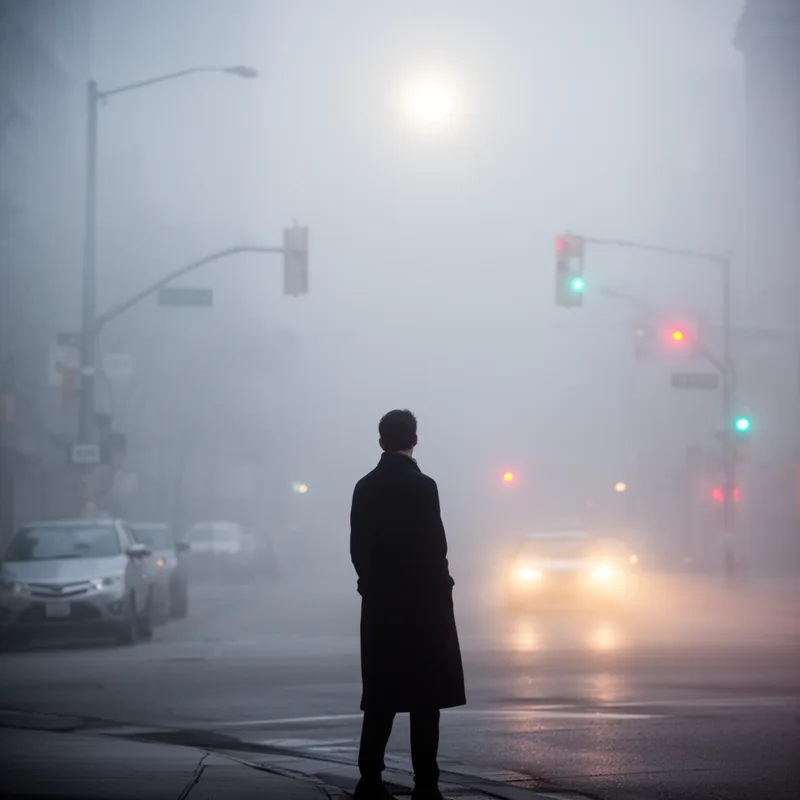
- A brumous dawn shrouded the city in a thick, grey haze.
Examples
-
The brumous weather made it difficult to see across the field.
-
Writers often use brumous scenes to evoke a sense of mystery or melancholy.
-
What a brumous day!
-
The brumous morning made it difficult to see the road.
-
A brumous dawn shrouded the city in a thick, grey haze.
-
The brumous weather made it difficult to see across the field.
-
The brumous morning made it difficult to see the road.
Synonyms

 49
3.9
49
3.9

Not clear because of mist or when you cannot remember it well
 35
1.4
35
1.4
Covered with thin cloud near the ground or not clear in memory
 16
4.9
16
4.9
A place that is dark and hard to see because of low light or fog
 15
1.0
15
1.0
Air with small drops of water that make it hard to see


 1
7.2
1
7.2
Full of mist that makes things look unclear

Misty and wet air that makes it hard to see

Misty because tiny drops of water fill the air

A sky full of clouds that hides the sun
Antonyms


How Foggy

Surface Forms
Morphology
Etymology
Brumous comes from Latin bruma meaning 'winter' and from French brume meaning 'mist', so it brings to mind cold, winter fog. That's why brumous describes weather or scenes that are foggy, misty, or like a winter haze.