
bruitism
- noun
- /ˈbruːɪtɪzəm/
- Specialized
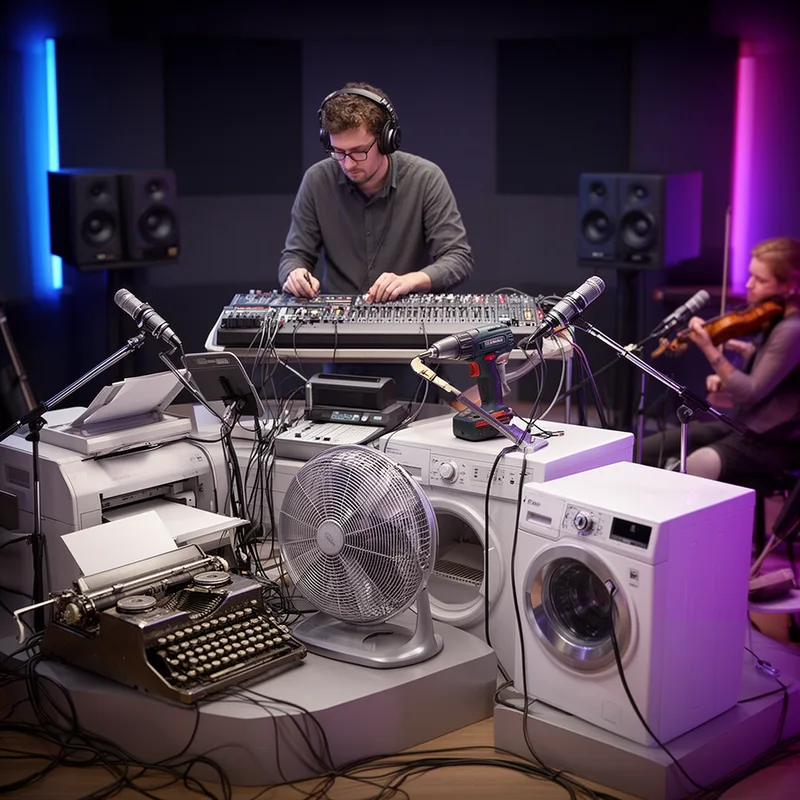
- Many avant-garde artists embraced bruitism, using typewriters and machinery as part of their sound palette.
Examples
-
The influence of bruitism can be heard in much of twentieth-century experimental electronic music.
-
The composer's latest piece is a fascinating exploration of bruitism in modern orchestral music.
-
The composer experimented with bruitism in her latest piece.
-
Many contemporary artists embrace bruitism as a key element in their work.
-
Many avant-garde artists embraced bruitism, using typewriters and machinery as part of their sound palette.
-
The composer's latest piece is a fascinating exploration of bruitism in modern orchestral music.
-
The influence of bruitism can be heard in much of twentieth-century experimental electronic music.
How Noisy


Surface Forms
Morphology
bruitism = bruit (opaque) = bruit + ism
The formation is a straightforward suffixation (bruit + -ism), but 'bruit' is a rare/borrowed noun in English (and largely unfamiliar to average learners), so the morphology is not useful for predicting meaning.
Etymology
Bruitism comes from the French word bruit, which means 'noise', plus the ending -ism, as in modernism. So bruitism is the musical practice of using everyday noises or machine sounds as part of the music.