
borough English
- noun
- Archaic
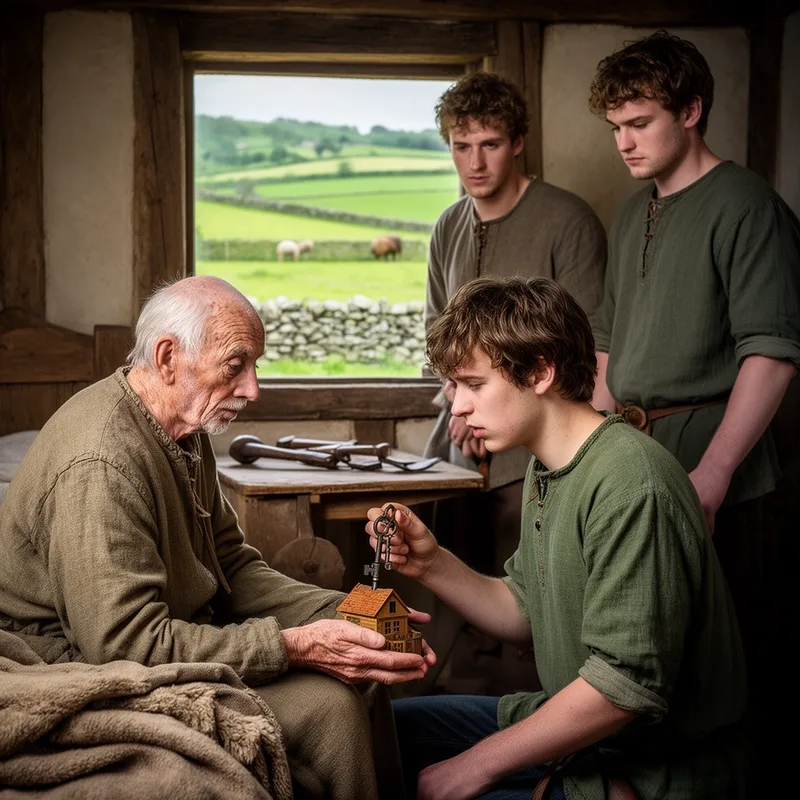
- Under borough English, the youngest son would inherit the family property after his father's death.
Examples
-
The tradition of borough English contrasts with primogeniture, where the eldest son inherits.
-
Historians often study borough English to understand medieval land laws in England.
-
The concept of borough English shaped many family dynamics.
-
Many families still discuss borough English at gatherings.
-
Historians often study borough English to understand medieval land laws in England.
-
The tradition of borough English contrasts with primogeniture, where the eldest son inherits.
-
Under borough English, the youngest son would inherit the family property after his father's death.
Surface Forms
Morphology
borough + English
The sense 'a custom in which the youngest son inherited land' cannot be derived from 'borough' (a town or district) + 'English' (pertaining to England); the phrase names a specific historical/legal practice rather than describing its parts. This is a culture- and terminology-specific meaning that requires background knowledge, so a B1 learner who knows the individual words would not predict the idiomatic sense.
Etymology
Borough English may come from old towns called boroughs, where the youngest child often stayed at home to look after the parents and so the family land would pass to them. That's why borough English means 'the youngest son inherits the family property'.

