
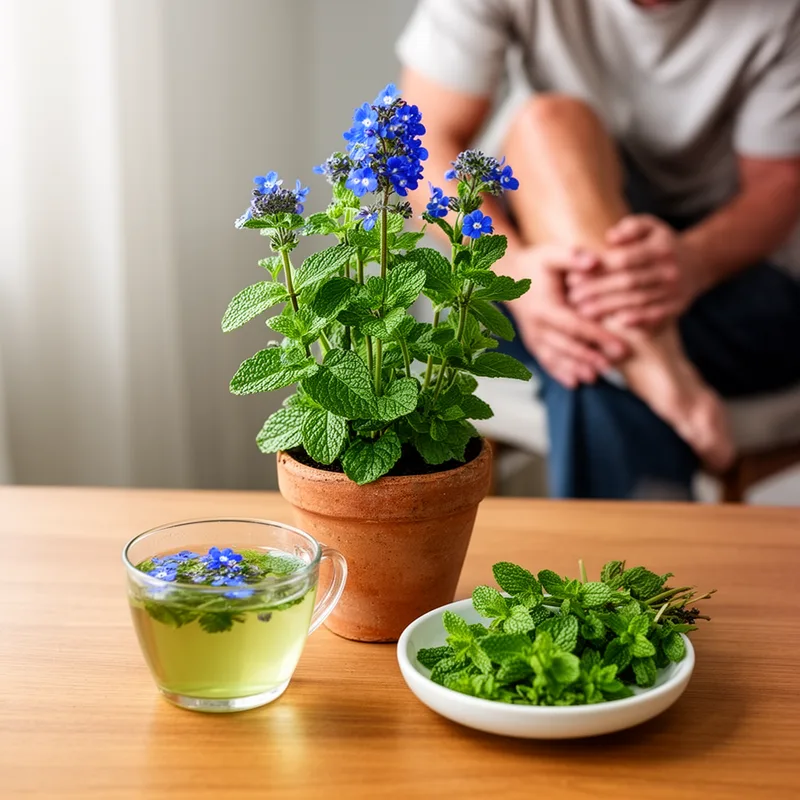
blue pimpernel
- noun
- /blu ˈpɪmpərˌnɛl/
- Specialized
- The blue pimpernel produces a unique resin that was historically used as an antispasmodic.
Examples
-
In the wild, the blue pimpernel can be recognized by its small blue flowers and minty aroma.
-
The blue pimpernel was once widely used in traditional medicine for its antispasmodic properties.
-
Researchers are studying the potential benefits of blue pimpernel in herbal treatments.
-
The blue pimpernel is known for its medicinal properties.
-
Have you ever seen a blue pimpernel in bloom?
-
Traditional herbalists often utilized the leaves of the blue pimpernel in their remedies.
-
In North America, the blue pimpernel is recognized for its minty scent and medicinal uses.
Surface Forms
Morphology
The compound is a straightforward adjective + noun combination: a B1 learner who knows 'blue' (a color) and 'pimpernel' (a small plant) will infer it denotes a pimpernel that is blue. Botanical and medicinal specifics cannot be derived from the parts, but the core referential meaning (a blue flowering plant) is fully compositional and cross-linguistically transparent.
Etymology
Blue pimpernel: The plant name blue pimpernel comes from its small, bright blue flowers and from an old low-growing plant called the pimpernel, so the name paints a clear image of a little blue wildflower. People once used the plant as a simple 'medicine' to help with 'cramps', which is why the name is also linked to that traditional use.

