

bitter-bark
- noun
- Specialized
 :
corteza amarga
:
corteza amarga
- You can recognize bitter-bark by its distinctive large sepals and smooth bark.
Examples
-
The bitter-bark is often planted in gardens for its attractive flowers.
-
Early settlers used bitter-bark as a remedy for fever and other ailments.
-
The bitter-bark grows beautifully in wet areas.
-
Many gardeners love the bitter-bark for its vibrant flowers.
-
Early settlers used bitter-bark as a remedy for fever due to its medicinal properties.
-
The bitter-bark is commonly seen in gardens because of its beautiful pink and white flowers.
-
You can identify bitter-bark by its large sepals and smooth trunk, which thrive in swampy conditions.
Synonyms

A shrub or small tree that grows in southern US swamps whose bark is used to treat fever
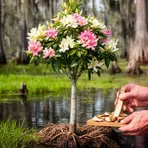
A small tree with bark used for fever and large pink or white flowers that grows in southeastern US swamps
Surface Forms
Morphology
Etymology
The word bitter-bark comes from two simple English parts: bitter ('bitter') and bark ('tree covering'). It names a shrub whose bark tastes bitter, which helps you remember it because early settlers used its bitter bark as a medicine and gardeners grow it for its attractive flowers.

