

biometric identification


 1
5.3
1
5.3
- noun
- /ˌbaɪəˈmɛtrɪk ˌaɪdɛntɪfɪˈkeɪʃən/
- Specialized
- The company upgraded its security by introducing biometric identification for all employees.
Examples
-
The bank's new system relies on biometric identification to prevent fraud and ensure that only account holders can access services.
-
Many airports now use biometric identification systems to speed up security checks.
-
Unlike passwords, biometric identification relies on a person's unique physical traits.
-
The new phone uses biometric identification to unlock.
-
Many companies are adopting biometric identifications for security.
-
Many universities are implementing biometric identification systems to enhance campus security and ensure only authorized students can enter.
-
At the airport, biometric identification is used to streamline the check-in process by quickly verifying passengers' identities with their fingerprints.
Synonyms
 6
4.1
6
4.1
The use of body features like fingerprints, face or voice to check who someone is
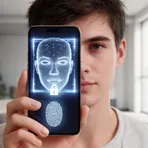 1
4.3
1
4.3
A way to check who someone is using body features like a fingerprint or face
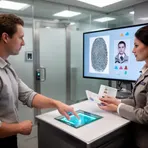 1
3.6
1
3.6
A process of checking documents or fingerprints to confirm someone really is who they say they are
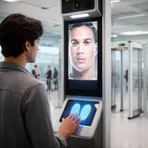
The use of body features like fingerprints or face scans to identify people
How Accurate
- Formal
8
4.8

- Specialized
1
4.1
- Specialized
1
5.3
- Specialized
- Specialized
1
3.6
- Specialized
2
3.1
Surface Forms
Morphology
The meaning 'identifying people using physical or behavioral traits' is directly and transparently derived from 'biometric' (relating to measurement of physical/behavioral traits) plus 'identification' (the act of recognizing identity). This adjective+noun composition follows standard, cross-linguistic patterns, so a B1 learner who knows both constituents should be able to infer the MWE's meaning.
Etymology
The term biometric identification comes from two parts: bio ('body') and metric ('measure'). It means using a person's fingerprints, face, or other body marks as a simple 'measure' to match and so 'identify' who they are automatically.