
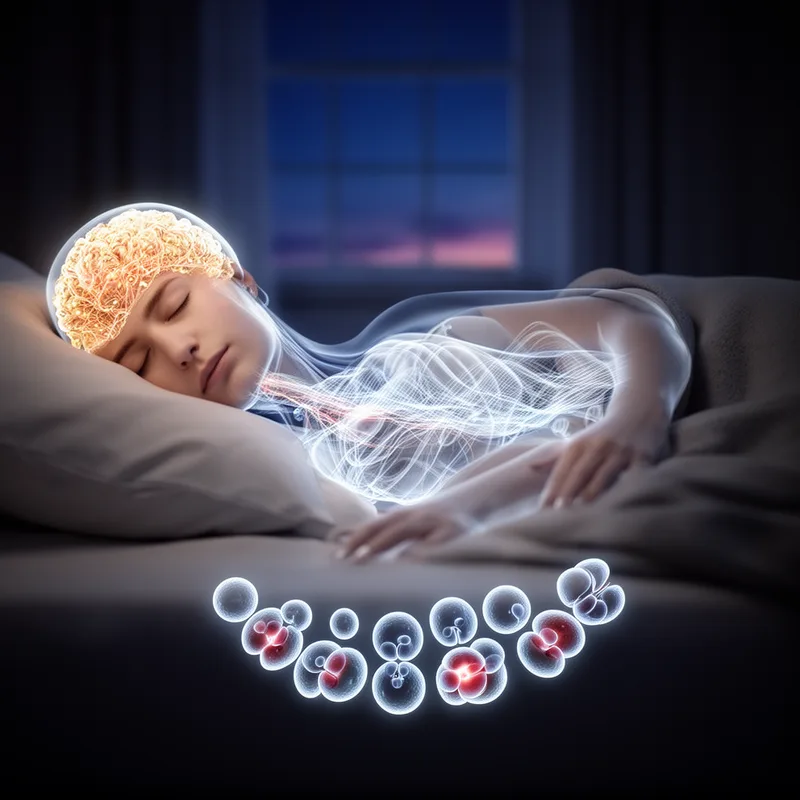
biological time


 1
5.6
1
5.6
- noun
- /ˌbaɪəˈlɒdʒɪkəl taɪm/
- Specialized
- Many animals have their reproduction cycles synchronized with biological time, ensuring they breed at the most favorable seasons.
Examples
-
His sculptured presence here recalls the nature of biological time, symbolized by the garlands and bucrania on the interior of the precinct wall: the fact of life and its end in death, its brief flourishing and its passing.
Academic text (1990) -
I thought of this key distinction between physical and biological time as I searched for long, curving names in the cemetery of Middle Amana.
Academic text (1990) -
The study of biological time helps scientists understand how different species adapt their sleep patterns to environmental changes.
-
Our biological time influences when we feel alert or sleepy throughout the day.
Synonyms
 11
3.7
11
3.7
A natural system inside the body that controls daily cycles like sleep and hormone changes
A natural cycle in the body that affects sleep and hormone levels
Surface Forms
Morphology
The meaning is directly and compositionally derived from 'biological' (relating to living organisms or processes) plus 'time' (timing or periods), so a learner who knows both constituents can readily infer it refers to timing or rhythms of biological processes. The construction is cross-linguistically common (e.g. tiempo biológico, temps biologique) and, while it can be used in technical contexts, its basic sense is transparent to B1 learners.
Etymology
Biological time comes from the image of an inner clock inside a living body: biological points to living things and time is the clock that tells the body when to sleep, wake, grow, or when cells should divide. So biological time means 'the timing of processes inside the body', like sleep cycles and cell activity.