
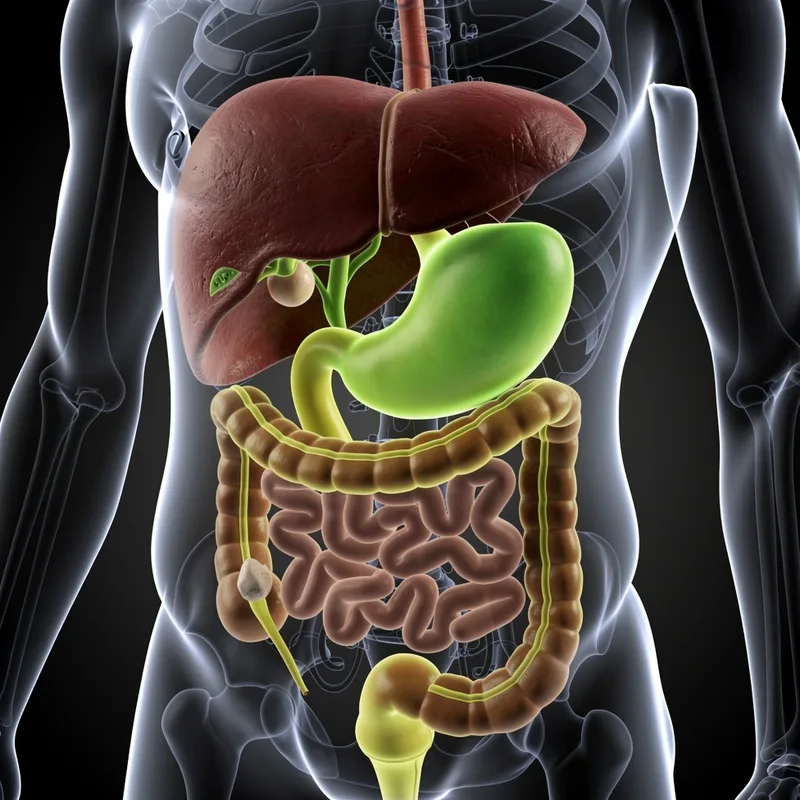
biliary
 1
8.5
1
8.5

- adjective
- /ˈbɪl.i.ɛr.i/
- Specialized
- We conclude that endoscopic endoprosthesis insertion is a safe and effective means of establishing biliary drainage in patients with common bile duct stones.
- biliary drainage
- biliary tract
- biliary cancer patients
Loading YouTube…
Watch on YouTubeBut if you have repetitive chalky white bowel movements, then it could point to a liver or biliary tree problem.
- But if you have repetitive chalky white bowel movements, then it could point to a liver or biliary tree problem.
- If you have repetitive white or Gray poop over many days, then this can indicate an issue with the your biliary system, your gallbladder, your liver.
Examples
-
Strictures are a common occurrence in CP, with biliary strictures complicating a quarter of patients.
Academic text (2017) -
Abdominal ultrasound demonstrated a normal biliary tree and an absence of cholelithiasis or choledocholithiasis.
Academic text (2007) -
Excretion is via the biliary system.
Academic text (1995) -
Might the results be improved by the use of a biliary endoprosthesis?
Academic text (2000) -
Nine patients had biliary tract surgery during the study period.
Academic text (2000) -
That's a good specific test for liver damage and and damage to the the biliary system in general.
-
Afterwards, it enters the biliary tract.
Academic text (2007) -
In previous series, both the double-pigtail 7F and straight stents have been reported effective in achieving biliary drainage.
Academic text (2000) -
In the present study, an endoprosthesis proved highly successful for establishing biliary drainage in patients with bile duct stones.
Academic text (2000) -
The doctor explained that a biliary obstruction could cause severe abdominal pain.
Synonyms
 1
9.3
1
9.3
Feeling sick in the stomach and looking pale

 1
9.6
1
9.6
Relating to bile, the liquid the liver makes to help digest fats
Compounds

- Specialized
A very small tube in the liver that carries bile to larger bile ducts
Surface Forms
Morphology
biliary = bile (semi-transparent) = bili + ary
Formed from the medical combining form 'bili-' corresponding to 'bile' plus the adjective suffix '-ary'; the spelling of the combining form and the clinical register may obscure immediate recognition for some learners.
Etymology
Biliary comes from the Latin root bilis, meaning 'bile', and the ending -ary means 'relating to'. So biliary simply means 'relating to bile', for example the bile ducts or the gallbladder.