
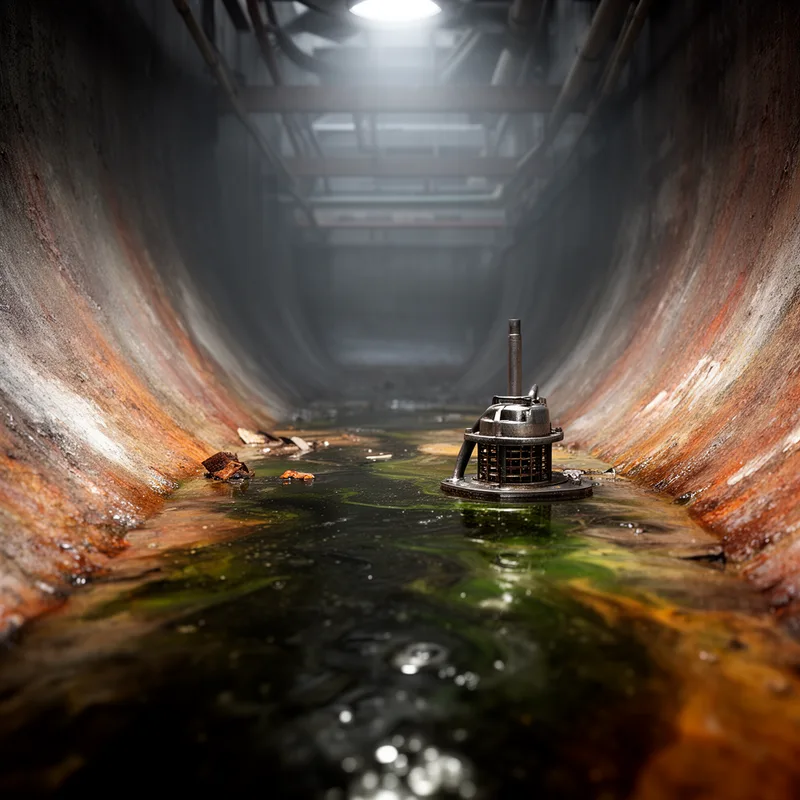
bilge water


 1
9.6
1
9.6
- noun
- /bɪldʒ ˈwɔːtər/
- Specialized
- When inspecting the ship, the inspector found that the bilge water was contaminated with oil and debris.
- oily bilge water
Examples
-
Mother and Father were sitting at the stern, with their feet in tepid bilge water; Uncle Julius was rowing, and I was sitting at the prow, my feet dangling overboard.
Fiction book (1998) -
I call it bilge water.
Academic text (2001) -
He's got a bucket of bilge water hidden in the storeroom.
-
Every self-respecting yachtie worth his weight in bilge water has heard of that awesome spectacle!
Blog text (27) -
I shifted some of the gear out of the new bilge water and cast one terrible glance back at the girl and her long bare legs.
Fiction book (1994) -
The crew decided to pump the bilge water out of the boat to keep it from sinking.
-
It is illegal to dump bilge water containing pollutants into the ocean.
Synonyms
 1
9.3
1
9.3
Water that collects in the lowest part of a ship
How Polluted

Surface Forms
Morphology
The meaning 'water that has collected in the bilge' is directly and compositionally derived from 'bilge' (the lowest part of a ship where water gathers) plus 'water'. This noun+noun compounding pattern is a standard, cross-linguistic way to label a type of water, so a B1 learner who knows both constituents will readily infer the MWE meaning.
Etymology
The compound noun bilge water comes from boats: the bilge is the lowest part of a ship where water, oil and dirt collect, so bilge water is the dirty, smelly liquid found there. Today it means 'water that has collected in the bilge, often dirty or oily'.