

beylik
- noun
- /ˈbeɪlɪk/
- Each beylik was governed independently by its own local ruler.
Examples
-
Several beyliks competed for power after the decline of the Seljuk Sultanate.
-
The beylik was established in the 14th century.
-
The Ottoman Empire began as a small beylik in northwestern Anatolia.
-
Many beylikler flourished during the Ottoman Empire.
-
The historical territory of the beylik was governed by a powerful local ruler known as a bey.
-
During the Ottoman Empire, many regions were organized into beyliks, each led by a bey.
-
In the past, a beylik could function independently while still paying tribute to the central empire.
Synonyms

 1
8.6
1
8.6

A country or region where a sheik rules
 1
9.9
1
9.9
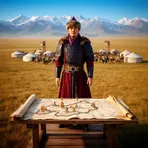
A territory ruled by a khan in Central Asia


 1
9.3
1
9.3
A country or area with a Muslim leader called a sheikh
 1
7.0
1
7.0
A country ruled by a sultan
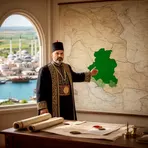
A province in the Ottoman Empire that an official runs
Surface Forms
Etymology
The word beylik comes from Turkish: bey meaning 'chief' or 'lord' and the ending -lik meaning 'place of' or 'state of'. So a beylik is literally the 'chief's place', like a small 'kingdom' or territory ruled by a local leader.