
betulaceous
- adjective
- /bɪˈtjuːleɪʃəs/
- Specialized
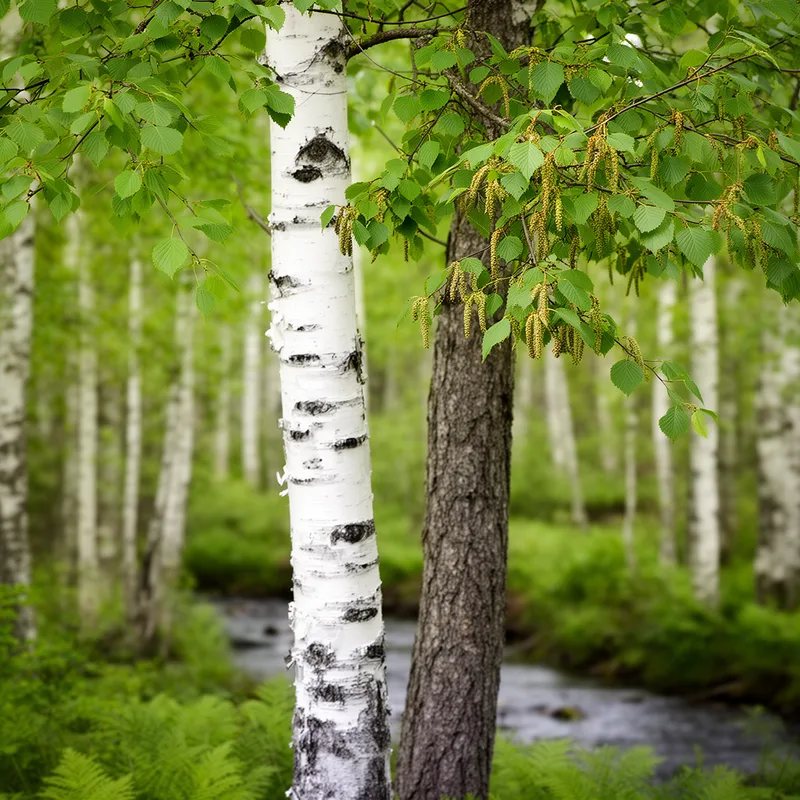
- The forest contains several betulaceous species, including birches and alders.
Examples
-
Many betulaceous trees thrive in temperate regions around the world.
-
Pollen from betulaceous plants can cause allergies in some people.
-
The betulaceous trees are known for their beautiful bark.
-
Do you know if this plant is betulaceous?
-
Many betulaceous trees, such as birches and alders, are common in temperate forests.
-
The betulaceous species in the park provide essential habitat for various wildlife.
-
In our botanical garden, we have several betulaceous plants that attract local birds.
Surface Forms
Morphology
betulaceous = Betula (opaque) = betul + aceous
This is a learned botanical formation from the genus name Betula plus the relational suffix -aceous, but most learners will not be able to infer the meaning from the stem.
Etymology
Betulaceous comes from the Latin word betula, which means 'birch', and the ending -aceous, which means 'like' or 'having the nature of'. So betulaceous means 'like birches' and is used for plants of the birch family.

