

to bespot
9.9
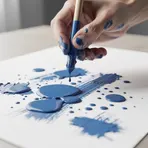
Mark something with small spots, often by drops of liquid
- verb
- Archaic
:
manchar
- The painter accidentally bespotted the canvas with drops of red paint.
Examples
-
Raindrops bespotted the windshield as the storm began.
-
Don't bespot the walls with paint!
-
Over time, mildew and moss bespot the old stone wall.
-
She bespot the vase.
-
Over time, mildew will bespot the old stone wall.
-
Make sure the paint doesn't bespot the furniture while you work.
-
The ink began to bespot the pages of the book.
Synonyms

to spot
vsto bespot
 46
2.2
46
2.2

To make a small mark or stain on something
is neutral marking by spots not specifically for identification

to blotch
vsto bespot
2
5.3
To mark something with irregular spots of a different color
is about spots rather than larger irregular stained patches
to splotch
vsto bespot
2
6.7
To put uneven marks of color or liquid on a surface
is general marking with spots not only caused by liquid

to bespeckle
vsto bespot
9.6
To mark something with small spots
is broader and not limited to tiny or fine specks
Antonyms


How Spotted

Surface Forms
bespot infinitive
bespotted past
bespotted past participle
bespotting present participle
bespots third person singular
Morphology
Etymology
Bespot comes from the small prefix be- and the word spot. The be- part means 'make' or 'cover with', so to bespot something is to mark it 'with spots', which explains the modern sense of marking or covering with spots.