
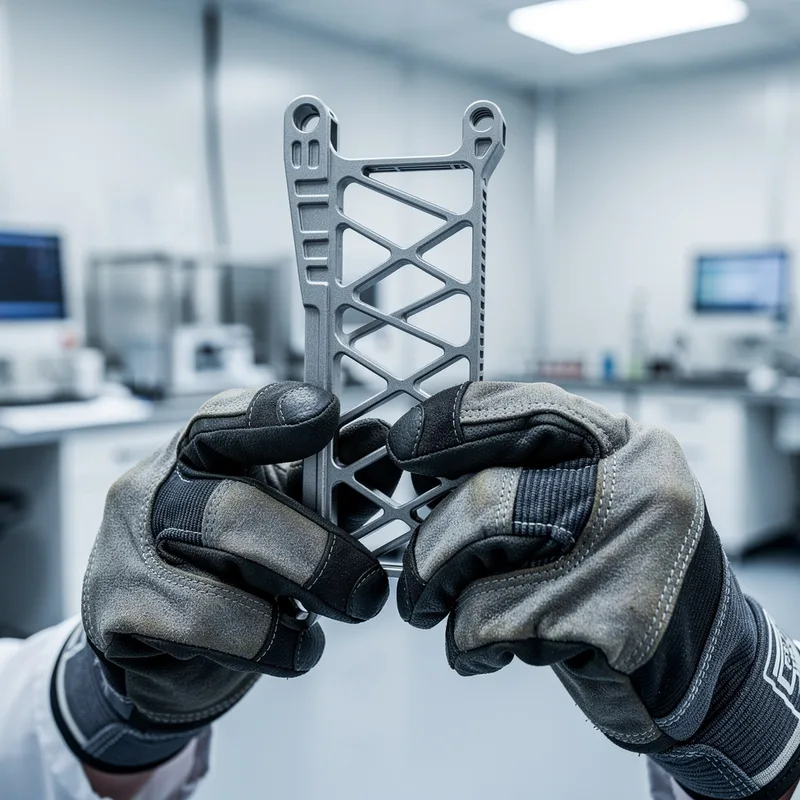
beryllium
 9
9.9
9
9.9

- noun
- /bɛˈrɪliəm/
- Specialized
- Clad blocks of beryllium oxide provided moderation.
- beryllium alloy
- beryllium copper
- beryllium nucleus
Loading YouTube…
Watch on YouTubeIt has a beryllium outer layer and then it has its normal solid solid cryogenic deuterium and tritium, and then a hollow centre filled with gas as well.
- It has a beryllium outer layer and then it has its normal solid solid cryogenic deuterium and tritium, and then a hollow centre filled with gas as well.
Examples
-
Do your field engineers have a beryllium casing?
-
Grace, why did you not say you had access to a beryllium clock?
-
But if I go from lithium over to beryllium, it gets smaller, right?
-
Please, I need a beryllium atomic clock.
-
The mirror surface itself is beryllium plated in gold.
-
This is a beryllium rod, which is causing a reaction with the plutonium inside the core.
-
Our best measurements show that 6% of the beryllium nuclei are 10Be.
Academic text (1990) -
The nickel-58 ions in the beam are fragmented by impact with the beryllium target.
Academic text (2002) -
We had nonmagnetic tools made from a beryllium-copper alloy.
Academic text (2006) -
The aerospace industry uses beryllium in lightweight alloys for aircraft parts.
Synonyms


Compounds
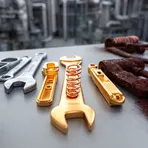
- Specialized
A copper and beryllium alloy that is very strong and does not rust easily
Surface Forms
Morphology
Etymology
Beryllium comes from the name of the gem beryl, a 'blue-green' stone, plus the metal ending -ium. It was named because the element was first found in beryl, so a helpful way to remember beryllium is to think of a light, strong 'metal' linked to that clear, pale stone.