
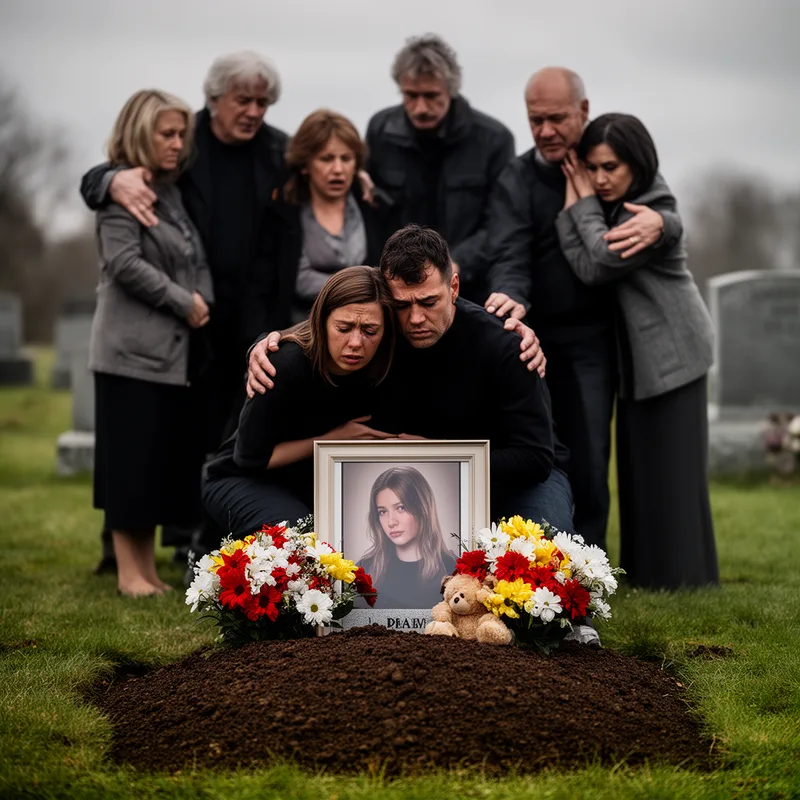
to bereave
- verb
- /bɪˈriv/
- Formal
- Walter - WALTER, JUST BECAUSE WE'RE BEREAVED DOESN'T MEAN WE'RE SAPS! DONNELLY
- bereaved children
Examples
-
The sudden accident bereaved the family of their beloved father.
-
MAN: Ladies and gentleman, we are gathered here today to bereave the loss of something dear to us.
-
Cleopatra, know that if you apply yourself to our intents, which towards you are most gentle, you shall find a benefit in this change, but if you take Antony's course, you shall bereave yourself of my good purposes.
-
Not even the innocent babe in the cradle was safe from their malice; their schemes at once bereaving mother of child and child of human love.
Fiction book (2000) -
Losing her husband early in life bereaved her of the companionship she had cherished.
-
The war bereaved many children of their parents, leaving them orphaned and alone.
Synonyms


Surface Forms
Morphology
Etymology
The word bereave comes from the old parts be- and reave, where reave means 'to rob'. So think of death as a kind of 'robber' that takes away someone you love, and to bereave someone is to have a loved one taken away by death.