

beefsteak fungus
- noun
- /ˈbiːfsteɪk ˈfʌŋɡəs/
- The chef prepared a vegetarian dish using slices of beefsteak fungus as a meat substitute.
Examples
-
Because of its texture and flavor, many foragers prize the beefsteak fungus during the late summer months.
-
We found a large beefsteak fungus growing on the old oak tree in the woods.
-
I found a beefsteak fungus in the forest yesterday.
-
Have you ever tried beefsteak fungi in your dishes?
-
Many hikers enjoy foraging for beefsteak fungus in the forest due to its unique flavor.
-
The beefsteak fungus was the main ingredient in the dish, adding a delicious earthy taste.
-
During our mushroom hunting trip, we stumbled upon a large beefsteak fungus that caught our attention.
Synonyms

 236
1.0
236
1.0

A soft fungus with a cap and stalk that grows on soil and is sometimes edible

A red, meat-like mushroom you can eat that grows on oak trees
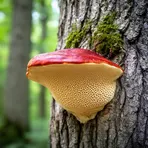
A mushroom-like fungus with many tiny crowded holes that grows on oak trees
Surface Forms
Morphology
The noun phrase is compositionally descriptive: 'beefsteak' modifies 'fungus' to indicate a fungus resembling a beefsteak, so the overall meaning ('a fungus that looks like beef') is directly derivable from the parts. This modifier+noun pattern is a common, predictable English composition, so a B1 learner who knows both words would likely understand the term.
Etymology
Beefsteak fungus gets its name from its thick, red top that looks like a slice of raw beef: beefsteak points to the meat-like look and fungus is the mushroom itself. Because it can be firm and meaty, people have used it as a 'meat' or 'meat substitute', so the name explains what it is today.