
bay grass
- noun
- Specialized
 :
hierba de bahía
:
hierba de bahía
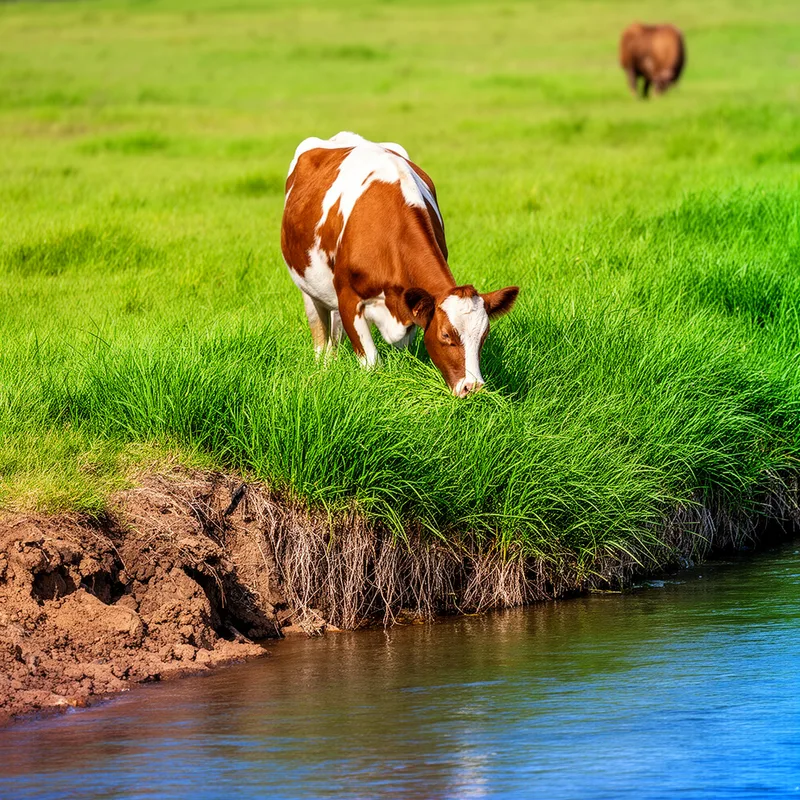
- Farmers often use bay grass as a nutritious forage for livestock.
Examples
-
The wetland restoration project included planting bay grass to stabilize the shoreline.
-
Efforts to reduce erosion along the riverbank involved seeding the area with bay grass.
-
The bay grass in this area is thriving.
-
Farmers often plant bay grasses to improve soil health.
-
Farmers often use bay grass as a nutritious forage for livestock.
-
Efforts to reduce erosion along the riverbank involved seeding the area with bay grass.
-
The wetland restoration project included planting bay grass to stabilize the shoreline.
Synonyms

A grass grown to feed animals and to stop soil from washing away
Surface Forms
Morphology
bay + grass
The compound follows a transparent noun + modifier pattern (X grass = a type of grass), so a B1 learner who knows 'grass' would likely infer it denotes some kind of grass. However, the specific botanical sense and the modifier 'bay' (missing a clear dictionary sense here) are lexicalized and not predictable from the constituents, so the overall meaning is only partially recoverable without prior exposure.
Etymology
Bay grass comes from the simple picture of bay + grass: grass that grows beside a bay or wet shore. Its roots hold the soil so it 'stops the land from washing away', and people have long used it as 'food for animals'.

