
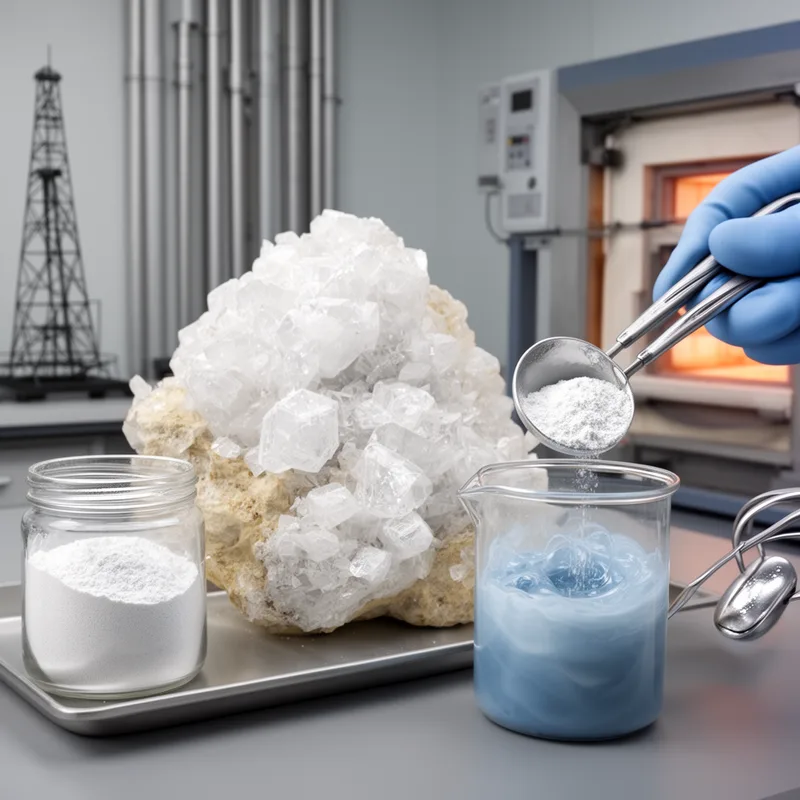
barite


 1
9.9
1
9.9
- noun
- /ˈbɛrɪt/
- Specialized
- The geology class examined a sample of barite, noting its distinctive white color and heavy weight.
Examples
-
Barite is often used in drilling fluids to increase their density, making it essential in oil exploration.
-
Incidentally, the state rock is "rose barite."
Blog text (33) -
About the highest mud weight I've ever heard of was 21 ppg, done by using something like galena or hematite in place of barite.
Blog text (17) -
In the mineral shop, I found a beautiful piece of barite that sparkled under the light.
Synonyms

A white mineral mined to get the metal barium

A white powder used in paint, in industry, and to help X-rays show the inside of the body
Surface Forms
Morphology
barite = bary + ite
While the suffix '-ite' commonly marks minerals, the root 'bary-' is a Greek combining form (not a standalone English word) and the specific meaning ('barium sulfate mineral') cannot be derived by an average B1 learner.
Etymology
Barite comes from the Greek root barys, meaning 'heavy'. It is the main source of the element barium and is often called barytes by miners, so its name reminds us that the mineral is very heavy and useful when weight is needed in drilling.