
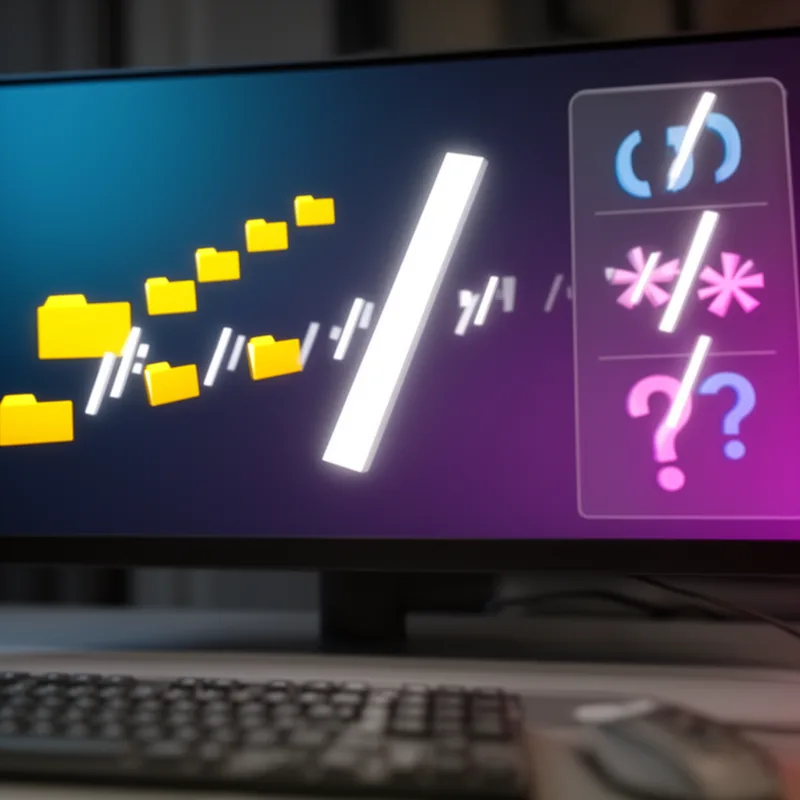
backslash
 2
3.5

- noun
- /ˈbækˌslæʃ/
- Specialized
- To escape characters in a string, you should place a backslash before the character that needs escaping.
Examples
-
He types furiously—numbers, symbols, backslashes.
Fiction book (2001) -
Backslash-we-rule!.
-
Note we need to double backslash here as this is R.
Blog text (7) -
Maybe a bunch of people don't have to hit a couple of backslashes anymore.
Fiction book (1997) -
- Backslash.
-
- Backslash.
-
Backslash.
-
The decimal point has been escaped (which in R requires two, not the usual one backslash) as it is a regular expression meta character (like + and *) that matches a single character.
Blog text (7) -
Personally, I thought it was a bit gross and found it difficult to watch, but I didn't have a lot to say about it beyond 'colon-hyphen-backslash face' (which was less a 'saying' and more
Blog text (21) -
My only suggestion for you, as far as readability goes, would be to trim the bottom of the slash, backslash, and vertical bar very slightly closer to the baseline. The extended lower portion keeps distracting me while reading code.
Blog text (3)
Surface Forms
Morphology
Etymology
Backslash comes from back + slash, with back meaning 'backward' and slash meaning a slanted line, so it is the 'slash' that leans back instead of forward. That's why the backslash looks like a line leaning to the left and is used in file paths and in programming to show special characters.