
to avow
 4
7.6
4
7.6

- verb
- /əˈvaʊ/
- Formal
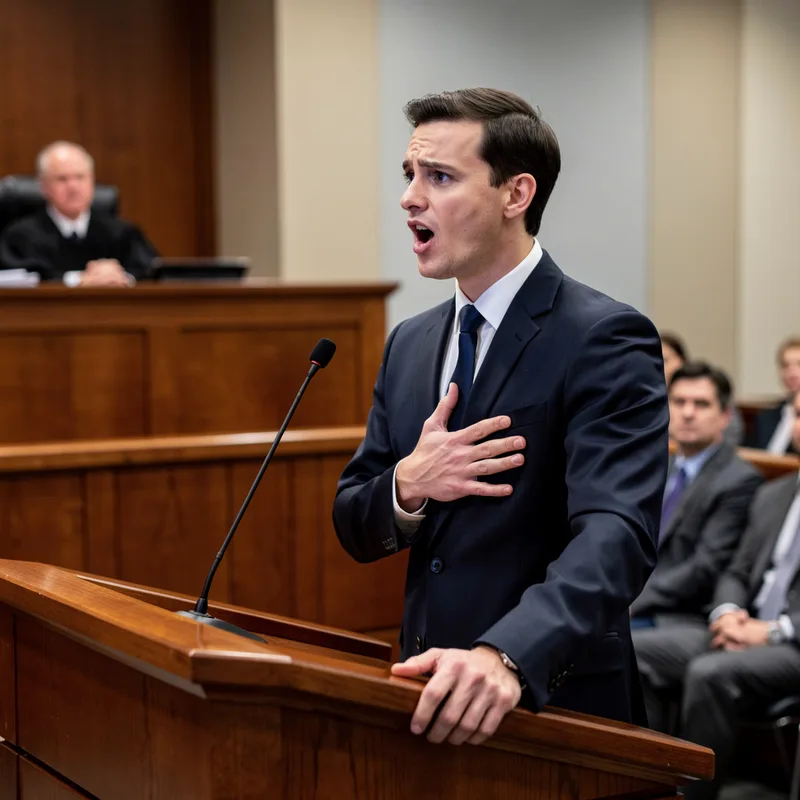
- After much deliberation, she finally avowed her love for him in front of their friends.
- openly avowed
- self-avowed
Loading YouTube…
Watch on YouTubeYeah, he said that Netanyahu was avowing genocide.
- Yeah, he said that Netanyahu was avowing genocide.
Examples
-
The issue has never been whether there were men who openly avowed atheism in the Renaissance.
Academic text (1993) -
"With my last breath," she avowed, the second before his lips made speech impossible.
Fiction book (1990) -
I brought this priest here to avow our sins.
-
Well, sir, should there be, let me avow that I would freely and without hesitation, offer myself up for arrest.
-
Williams had hoped for more, believing that the constitution of a Christian nation should avow its religious heritage.
Academic text (1997) -
Another predictable outcome is that many companies will avow a focus on business continuity planning and will give serious thought to their vulnerabilities.
Academic text (2011) -
In essence, the government avows not to manipulate the workings of the religious marketplace.
Academic text (1999) -
A political ethos introduced in Australia circa 1970 from Canada, multiculturalism avows the equality of all cultures.
Academic text (2005) -
Gentlemen, may I first avow, that it is a matter of some pride... ..immense privilege and not insignificant encouragement... to be met here today in this great metropolis of London with such a wide and devoted body of reformers.
-
Catholic temperance societies and the Ancient Order of Hibernians vehemently disagreed, avowing that Catholicism was a necessary ingredient of Irish identity.
Academic text (2000)
Synonyms
 ∞
4.6
∞
4.6
To make a serious promise, often in court
 ∞
1.5
∞
1.5
To tell people officially about something, often in public
 950
3.7
950
3.7
To officially tell other people or officials about something
 229
3.9
229
3.9
To clearly and firmly say your needs or opinions
 229
5.3
229
5.3
To officially announce something to the public
 108
4.1
108
4.1
To state clearly that something is true or show support for it
 72
5.9
72
5.9
To say you believe or support something, often without meaning it
 2
7.9
2
7.9
To say firmly that something is true


 1
9.9
1
9.9
To say clearly and without doubt that something is true

To say something firmly and seriously
Antonyms

How Open
- Formal
229
5.3

- Formal
4
7.6
- Formal
950
3.7
∞
1.6
∞
2.0
∞
1.0
Surface Forms
Etymology
Avow comes from an old French word avouer, which meant 'to admit' or 'declare' openly. A helpful way to remember avow is to think of it like 'a' + vow, someone openly saying or owning a statement, and that's why to avow something is to declare or admit it publicly.