
autochthon
- noun
- /ɔːˈtɒkθən/
- Specialized
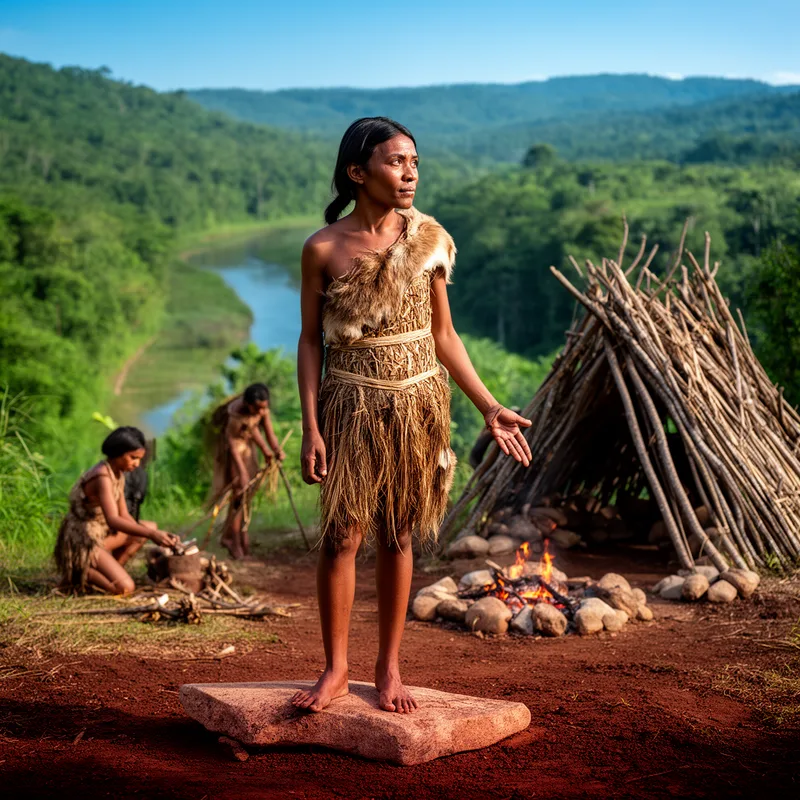
- The indigenous tribes of the Amazon are considered the autochthons of that region, with cultures and traditions that date back thousands of years.
Examples
-
Many scholars study the autochthons of ancient civilizations to understand the origins and developments of human societies.
-
Citizens and artists are increasingly defined not as rights-bearing subjects of a nation, who may have come from elsewhere, but as ethnographic autochthons.
Academic text (2008) -
As an autochthon of New Zealand, she shared stories passed down from her ancestors about the land and its history.
Synonyms

 4
8.6
4
8.6

A person from the first people living in a place before others arrived
 2
7.6
2
7.6
A member of the first people who lived in a region
Antonyms


Surface Forms
Morphology
autochthon = auto + chthon
Although the word is historically built from Greek elements meaning roughly 'self' + 'earth', the second element is not a productive English morpheme and the meaning is not predictable for an average learner.
Etymology
Autochthon comes from the Greek parts auto- ('self') and chthon ('earth' or 'ground'), so it literally means someone 'from the land itself'. That's why autochthon means an original or native person who belongs to a place from long ago.