
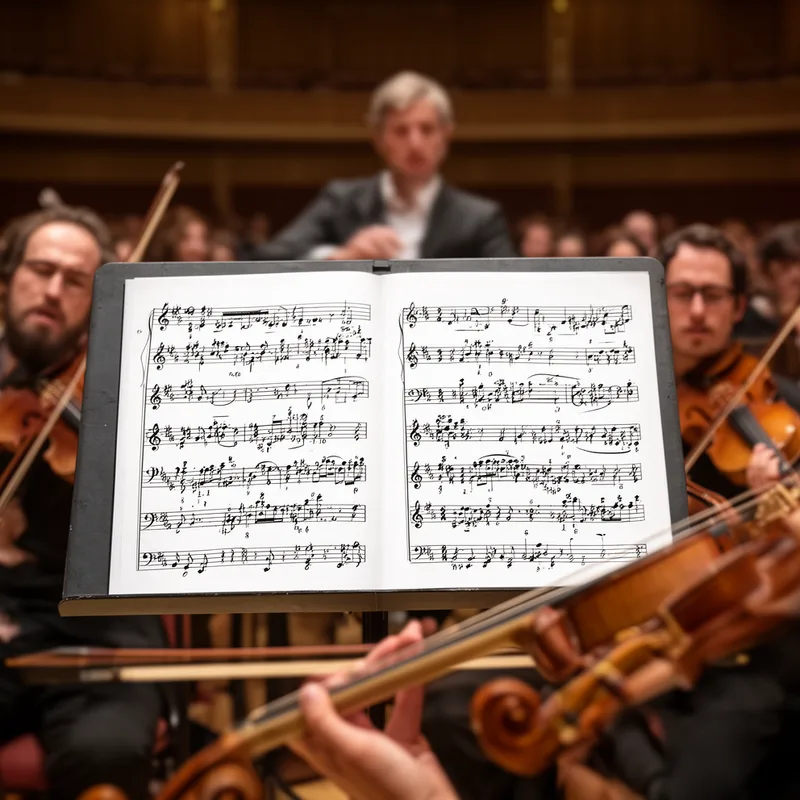
atonalism
9.9
Music that has no key or main note to guide the harmony
- noun
- /ˌeɪtəˈnælɪzəm/
- Specialized
:
atonalismo
- The performance highlighted the tension between traditional harmony and atonalism in modern music.
Examples
-
Many contemporary composers have embraced atonalism to allow for greater creative freedom in their works.
-
His scores flirt with atonalism and minimalism, while his "mesopoetry" fuses black humor, the absurd, the grotesque, and "concrete poetry."
Academic text (1991) -
A notable feature of atonalism is its rejection of a central musical key, leading to a unique listening experience.
Synonyms


 1
9.9
1
9.9
Music that has no clear key or home note
is about the method of composing music without a tonal center
Antonyms

How Tonal
tonalist
- Specialized

atonalism
- Specialized
Surface Forms
atonalism singular
atonalisms plural
Morphology
Etymology
Atonalism comes from the prefix a- meaning 'not', the word tone meaning 'a musical sound', and the ending -ism meaning 'a style or system'. So, atonalism is a way of making music that does not have one 'home' note or key, which is why it can sound unfamiliar to people used to normal harmony.