
astaxanthin
 2
9.9

- noun
- /ˌæstəˈzænθɪn/
- Specialized
- Salmon contains 5-40 parts per million of astaxanthin.
Loading YouTube…
Watch on YouTubeSo krill oil is one of the richest sources of astaxanthin, which is protective of those Omega threes, which is huge in of itself.
- So krill oil is one of the richest sources of astaxanthin, which is protective of those Omega threes, which is huge in of itself.
- It's shocking how how effective krill oil is because it's it's red, it's rich, rich in astaxanthin and it makes the Omega threes work even better.
- You can see why it's hard to pronounce ZEAXANTHIN and the other one is ASTAXANTHIN.
Examples
-
Another very important point that makes astaxanthin stand out is that it will never become a pro-oxidant.
Blog text (6) -
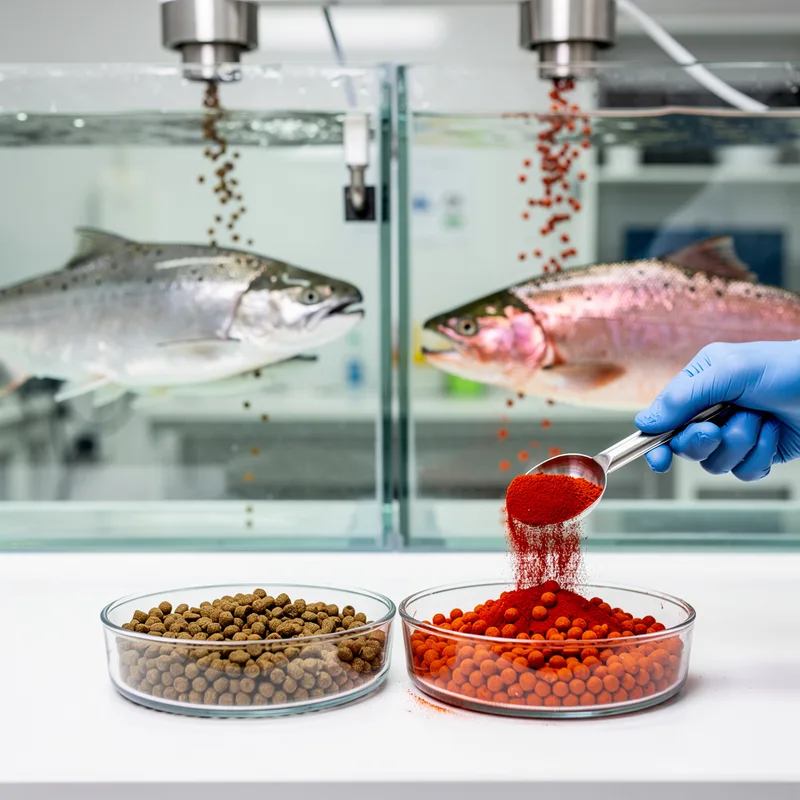
The pink comes from the natural plant pigment astaxanthin.
Blog text (2) -
No harmful side effects have been noted in any of the safety studies performed on astaxanthin.
Blog text (6) -
I think astaxanthin is the most powerful antioxidant that I know of.
Blog text (6) -
Krill contains about 120 parts per million of astaxanthin.
Blog text (6) -
However, you should also know about astaxanthin, which has been found to be powerful enough to help prevent oxidative damage in smokers.
Blog text (23) -
Dr. Robert Corish, author of A Guide to Men's Health, discusses astaxanthin, one of the most powerful antioxidants currently known.
Blog text (6) -
Astaxanthin will never transform into a harmful pro-oxidant, which can happen to other antioxidants once they become depleted.
Blog text (6) -
We now know that if you give these patients astaxanthin, the amount of peroxides—these harmful free radicals—is reduced by 50 percent.
Blog text (6) -
Farmers add astaxanthin to fish feed to enhance the color of the fish before market.
Surface Forms
Morphology
astaxanthin = astaxanth + in
This is a specialized scientific name built from non‑productive combining forms plus a chemical suffix, so learners cannot reliably derive its meaning from the parts.
Etymology
Astaxanthin contains the part xanthin, from a Greek word meaning 'yellow' that is used in names for pigments. A helpful way to remember it is to think of it as a natural color pigment found in shrimp, krill and farmed salmon that gives them their red-pink color, so the name points to its job as a colorant.