
asclepiadaceous
- adjective
- /ˌæskləˈpɪəˌdeɪʃəs/
- Specialized
- Several asclepiadaceous species are cultivated for their unique flowers and medicinal properties.
Examples
-
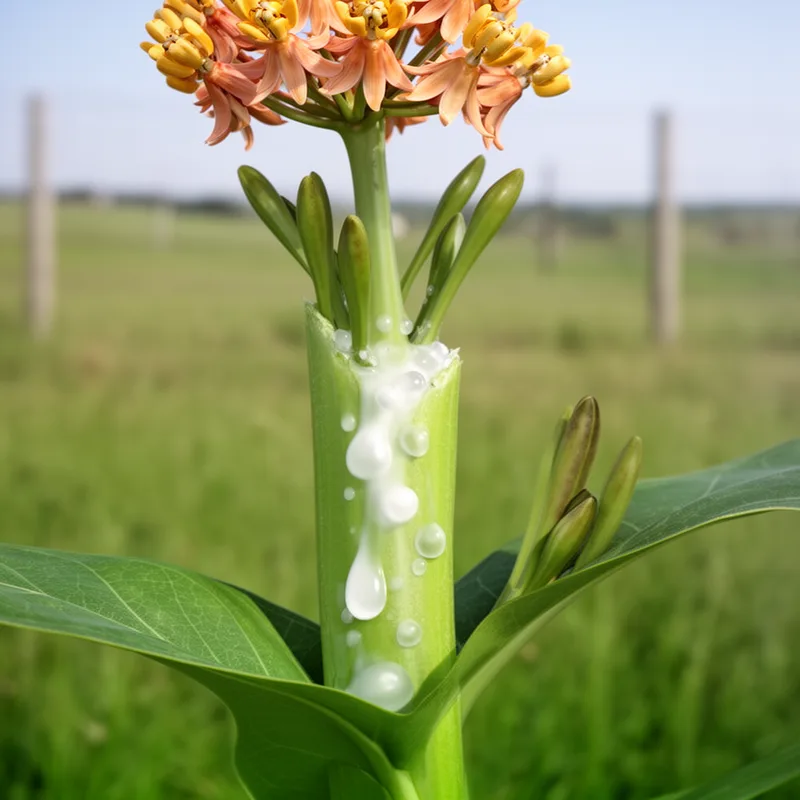
Many asclepiadaceous plants produce a milky sap that can be toxic to livestock.
-
The asclepiadaceous group includes familiar genera such as Asclepias and Ceropegia.
-
The asclepiadaceous plants thrive in warm climates.
-
Many asclepiadaceous species are known for their unique flowers.
-
Many asclepiadaceous plants, such as milkweed, are essential for supporting local ecosystems.
-
The asclepiadaceous family of plants includes species that are often visited by butterflies and bees.
-
Gardens featuring asclepiadaceous species provide a vibrant display of color in the summer months.
Surface Forms
Morphology
Etymology
The word asclepiadaceous comes from the plant name Asclepias, which was named for Asclepius, the Greek god of 'medicine'. These are milkweed plants with a white 'milky' sap, so asclepiadaceous simply means 'belonging to the milkweed family'.

