

aria
 11
8.1
11
8.1

- noun
- /ˈɛəriə/
- The students can now perform their arias for each other.
- operatic aria
- opera aria
- famous aria
Loading YouTube…
Watch on YouTubeRenowned for her Arias but not for her heirs.
- Renowned for her Arias but not for her heirs.
Examples
-
Thank you, nurse, that was a nice aria.
-
Her students may choose from many styles and composers, including Italian light arias, German lieder, or English ballads.
Academic text (2011) -
In the concert, I will sing an Aria just for you.
-
Can you do me a solid and sing the Queen of the Night aria?
-
Oh, this is my favorite aria.
-
The children listen to the "Queen of the Night" aria from The Magic Flute.
Academic text (2005) -
My 3-year-old daughter wants to listen to "Queen of the Night" aria every day.
Academic text (2015) -
She will sing an aria from Richard Wagner's opera, The Valkyrie, "Brunnhilde's Battle Cry."
-
For example, the aria "Caro nome" provides an excellent example of coloratura and trill techniques.
Academic text (2003) -
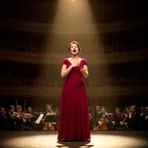
During the performance, the soprano delivered a stunning aria that captivated the audience.
Synonyms

How Elaborate

Surface Forms
Etymology
Aria comes from Italian aria, which meant 'air' or 'melody' and is like the English word air when people use it for a tune. So an aria is literally an 'air', a long, emotional solo song in an opera.