
arginine
 1
7.0

- noun
- /ˈɑrdʒɪˌniːn/
- Specialized
- The mutations changed a key amino acid—arginine—into one of three other amino acids: histidine, cysteine, or serine.
- L-arginine
- arginine infusion
- arginine supplementation
Loading YouTube…
Watch on YouTubeNow bone broth is packed with amino acids like proline, glycine and glutamine and arginine.
- Now bone broth is packed with amino acids like proline, glycine and glutamine and arginine.
- So what's interesting, however, is that whether or not it's by mouth or by vein, taking arginine can dramatically increase growth hormone release.
- Canavanine looks so much like L arginine and I'm going to put a little picture up here so you can see how closely shaped they are.
- Why not any AD arginine or precursor beetroot you mentioned?
Examples
-
Results obtained in our study showed that both species of sea cucumber contain a lower lysine/arginine ratio.
Academic text (2015) -
So what's interesting, however, is that whether or not it's by mouth or by vein, taking arginine can dramatically increase growth hormone release.
-
Double-blind randomized controlled studies of arginine's role in wound healing are limited.
Academic text (2002) -
Indeed, the beneficial effect of L-arginine in patients with hypercholesterolaemia was most prominent during maximum stimulation with acetylcholine.
Academic text (1991) -
Several studies have examined the effects of arginine on the vascular system (Boger et al., 1998; Maxwell et al., 2000).
Academic text (2002) -
ADMA concentration is also raised in hyperhomocysteinaemia, which is probably attributable to increased methylation of L-arginine residues.
Academic text (2001) -
Peanuts are a great source of arginine, making them beneficial for a healthy diet.
-
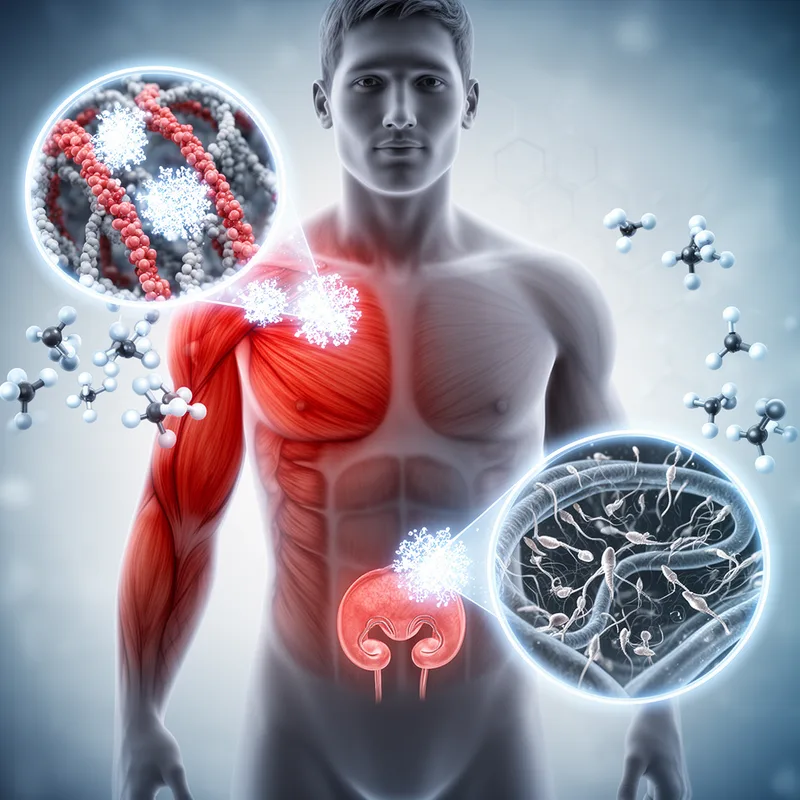
L-arginine is an amino acid that plays a key role in the body's production of sperm.
-
Athletes often take supplements containing arginine to enhance their performance.
Surface Forms
Morphology
arginine = argin + ine
The suffix '-ine' signals a chemical class, but the stem 'argin' is not a recognizable English base and the specific meaning (an amino acid with nutritional/physiological roles) cannot be derived by an average B1 learner.
Etymology
Arginine can be remembered by its special chemical part: the related word guanidine comes from guano, 'bird droppings', where chemists first found it. That guanidino part helps arginine do important jobs in the body, like helping blood flow and supporting fertility.