
apocynaceous
- adjective
- /ˌæpəˈsɪneɪʃəs/
- Specialized
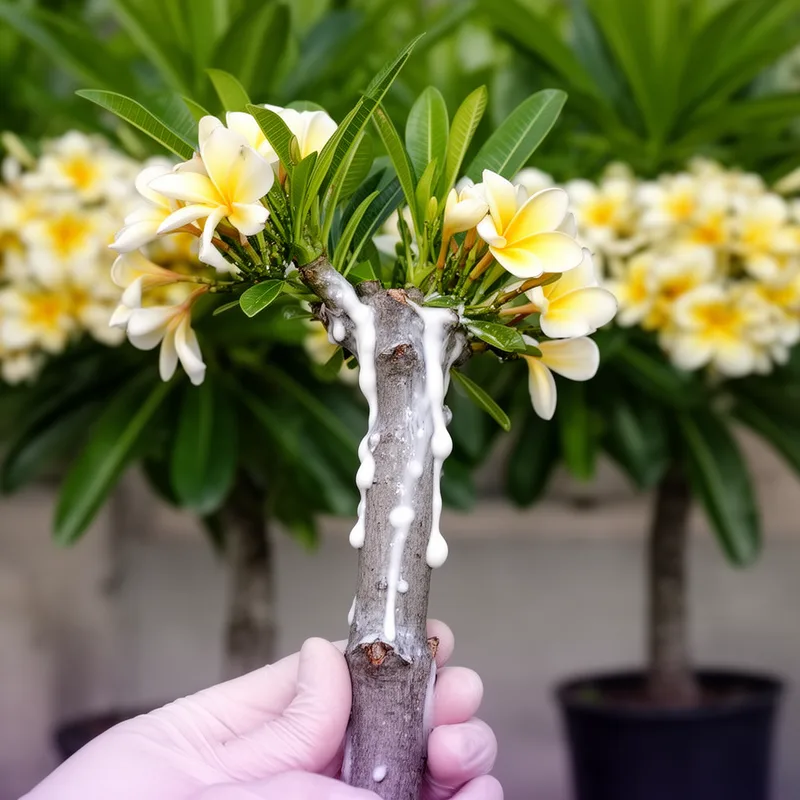
- The frangipani tree is an apocynaceous plant prized for its fragrant blossoms.
Examples
-
Several apocynaceous species contain compounds that are toxic to animals and humans.
-
Botanists classified the specimen as apocynaceous based on its distinctive milky sap and floral structure.
-
Botanists classified the specimen as apocynaceous based on its distinctive milky sap and floral structure.
-
Several apocynaceous species contain compounds that are toxic to animals and humans.
-
The frangipani tree is an apocynaceous plant prized for its fragrant blossoms.
-
The apocynaceous plants thrive in tropical climates.
-
Are you familiar with any apocynaceous species?
Surface Forms
Morphology
apocynaceous = Apocynaceae (opaque) = apocyn + aceous
The word is a specialized botanical adjective built from a taxonomic family name plus a technical suffix, so its meaning is not readily inferable for an average learner.
Etymology
Apocynaceous comes from the plant name Apocynum, which in Greek joins apo- 'away' and kyon 'dog' because people thought these plants would drive away or poison dogs. So, apocynaceous describes plants of the Apocynaceae family, many of which are known for milky sap or for being poisonous.

