
apatite
- noun
- /ˈæpəˌtaɪt/
- Specialized
- The range is as follows: talc 1; gypsum 2; calcite 3; fluorite 4; apatite 5; orthoclase 6; quartz 7; topaz 8; corundum 9; and diamond 10.
- apatite mineral
- apatite crystal
Examples
-
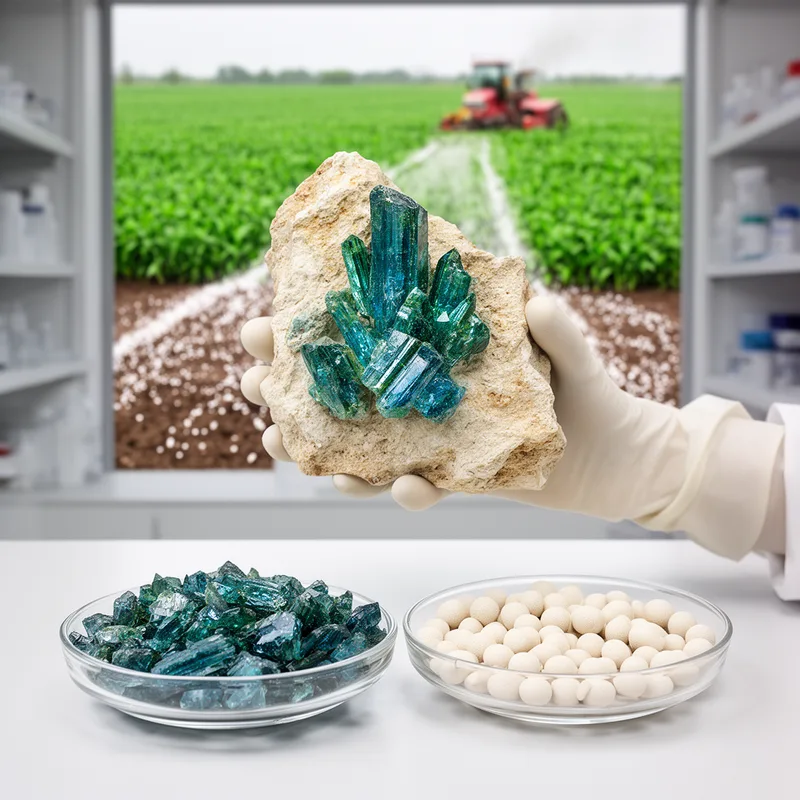
But Weller's World had other assets as well, including some apatite deposits from which phosphate fertilizers were made.
Fiction book (1991) -
Notably, self-assembling apatite hybrid materials have enabled the development of bi-/multi-molecular templates because natural bone is an outcome of a multi-molecular template co-assembly process.
Academic text (2018) -
Similarly, Green et al. (1988) proposed that in dry valley streams, weathering of apatite is the source of phosphate, and leaching of atmospheric deposition is the source of nitrate.
Academic text (1999) -
It was believed that coprecipitation of the DNA-lipoplexes into biomimetically nucleated apatite resulted in better spatial distribution, higher stability, and higher transfection efficiency of DNA delivery.
Academic text (2018) -
The geologist studied the apatite found in sedimentary rocks to understand their formation.
-
In many animals, apatite forms the primary mineral component of bones and teeth.
-
The fertilizer contains apatite, which is essential for plant growth due to its phosphorus content.
How Hard


Surface Forms
Morphology
apatite = apat + ite
The suffix '-ite' signals a mineral name (helpful to learners), but the root 'apat' is not a recognizable English base, so the full meaning cannot be derived from its parts.
Etymology
The word apatite comes from the Greek apate meaning 'deceive' and the mineral ending -ite. Collectors often mistook this mineral for others, so it was named for its power to 'trick' the eye, which helps you remember apatite as a mineral that can look like many different stones.