
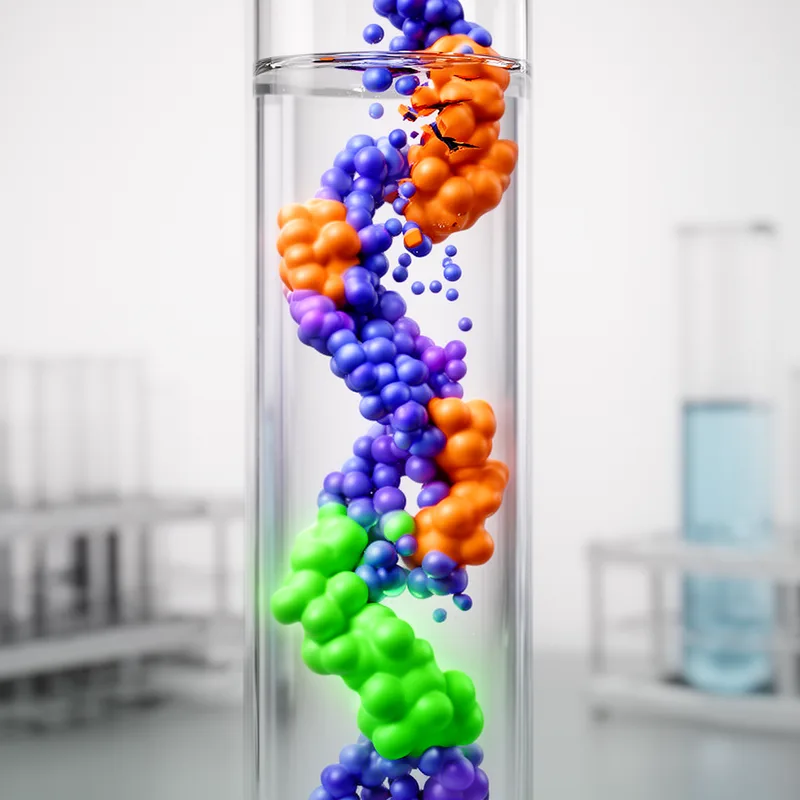
antitryptic
- noun
- /ˌæntiˈtrɪptɪk/
- Specialized
- Researchers tested the effectiveness of a new antitryptic in blocking enzyme activity.
Examples
-
The laboratory used an antitryptic to prevent the breakdown of proteins during the experiment.
-
Adding an antitryptic can help preserve tissue samples for further analysis.
-
The antitryptic properties of this compound are well-documented.
-
Many antitryptics are used in medical treatments.
-
The laboratory used an antitryptic to prevent the breakdown of proteins during the experiment.
-
Adding an antitryptic can help preserve tissue samples for further analysis.
-
Researchers tested the effectiveness of a new antitryptic in blocking enzyme activity.
Synonyms
 1
8.4

A blood protein that stops the digestive enzyme trypsin from damaging tissues


 1
7.7
A substance that stops enzymes in the body that break down proteins

A substance that stops or slows enzymes so they do not work
How Inhibitory
- Specialized

- Specialized
48
6.0
Surface Forms
Etymology
Antitryptic is formed from anti- ('against') and trypsin, the protein-breaking enzyme, so an antitryptic is a substance that 'blocks' or 'stops' trypsin from working.