
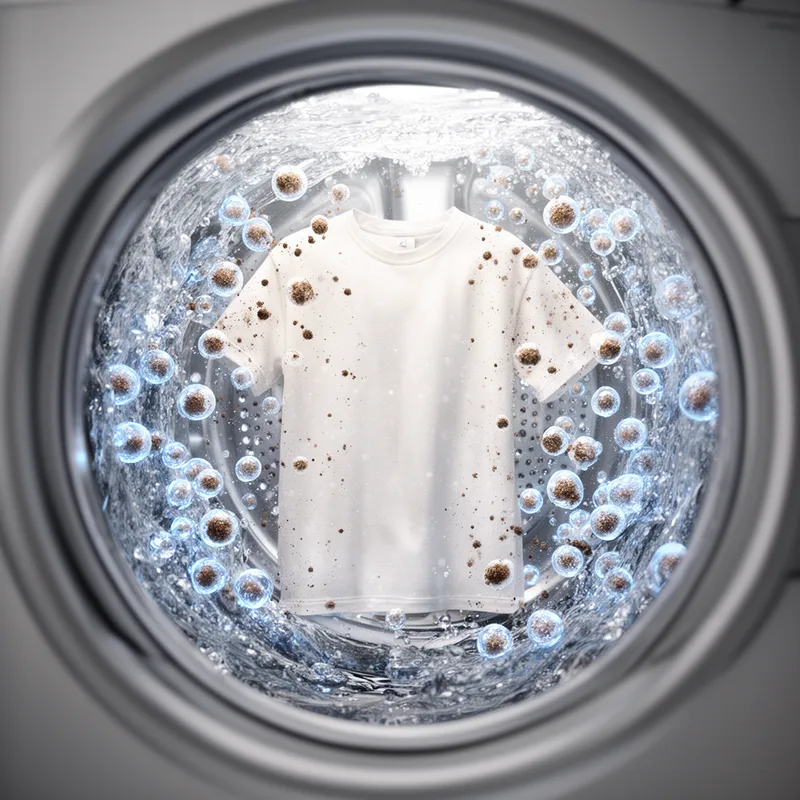
antiredeposition
- noun
- /ˌæntiˌrɛdɪˈpəʊzɪʃən/
- Specialized
- Effective antiredeposition prevents dirt from settling back on cleaned surfaces.
Examples
-
The new detergent formula enhances antiredeposition to keep clothes looking bright after repeated washes.
-
Scientists study antiredeposition to improve cleaning agents in various industries.
-
The antiredeposition technique was effective in keeping surfaces clean.
-
Implementing antiredeposition methods can enhance cleaning efficiency.
-
Effective antiredeposition ensures that dirt does not settle back on freshly cleaned surfaces.
-
The research focused on antiredeposition techniques to improve the performance of cleaning products.
-
Using a new agent, the antiredeposition process helped maintain the cleanliness of the fabric over time.
How Protective


Surface Forms
Morphology
antiredeposition = redeposition (semi-transparent) = anti + re + posit + ion
The form is a regular technical construction meaning 'against redeposition', but the detergent-specific sense is somewhat specialized for an average B1 learner.
Etymology
Antiredeposition breaks into three clear parts: anti- 'against', re- 'again', and deposit 'to put down'. So it means stopping dirt or particles from being put down again, which is why antiredeposition helps keep surfaces and clothes clean.