

anticipatory retaliation
- noun
- /ˌæntɪsɪˈpɛtəri ˌrɛtəlɪˈeɪʃən/
- Formal
- The military justified their anticipatory retaliation by citing credible intelligence of an imminent attack.
Examples
-
Engaging in anticipatory retaliation can sometimes prevent larger conflicts from erupting.
-
Critics argue that anticipatory retaliation risks punishing parties before any real harm is done.
-
The government planned an anticipatory retaliation against potential cyber threats.
-
Countries often engage in anticipatory retaliations to maintain their security.
-
The military justified their anticipatory retaliation by citing credible intelligence of an imminent attack.
-
Critics argue that anticipatory retaliation risks punishing parties before any real harm is done.
-
Engaging in anticipatory retaliation can sometimes prevent larger conflicts from erupting.
Synonyms

 33
6.5
33
6.5

Something that prevents or reduces harm
 3
6.8
3
6.8
A surprise attack carried out to stop an enemy from attacking first

A move by an army done before an enemy starts to fight to stop them
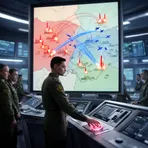
A military action to stop an expected attack by an enemy before it happens
Antonyms


How Preemptive
- Formal
 3
6.8
23
7.5
3
6.8
23
7.5
- Formal
577
6.1
Surface Forms
Morphology
The noun phrase is transparently compositional: 'anticipatory' (in advance) modifies 'retaliation' (an act of revenge/response), so the meaning 'retaliation carried out in advance to deter or counter a threat' is directly inferable from the parts. The adjective+noun pattern is standard and the underlying concept (preemptive or early response) is cross-linguistically common, so a learner who knows both constituents should understand it.
Etymology
Anticipatory retaliation gives a simple picture: anticipatory means 'before' and retaliation means 'a response or punishment', so imagine someone striking back before they are hit. That's why it means acting in advance to stop or punish a possible attack.