
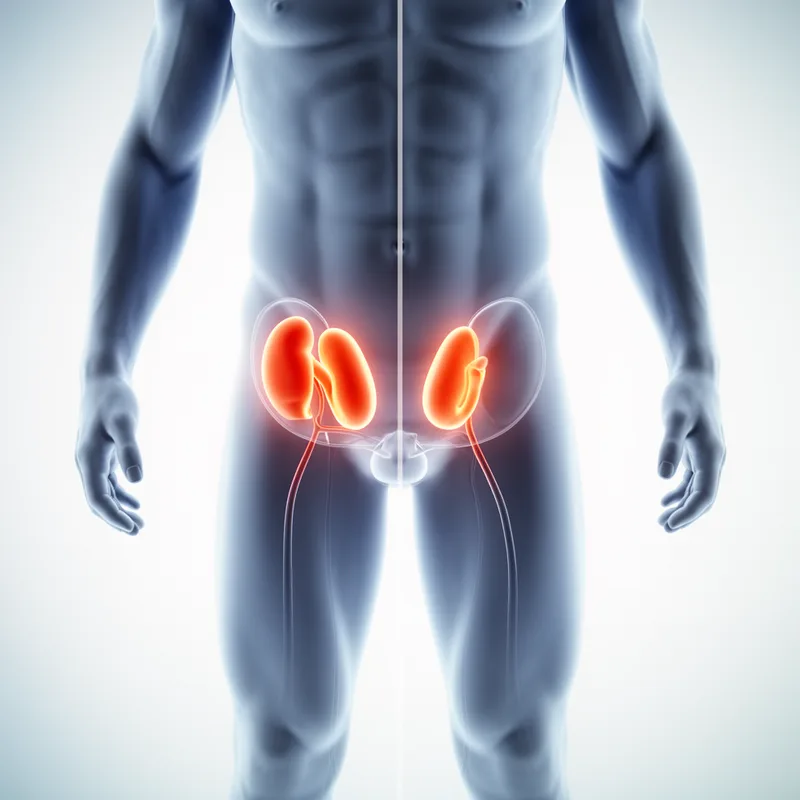
anorchidism
- noun
- /ˌænɔrˈkaɪdɪzəm/
- Specialized
- The patient was diagnosed with anorchidism after a series of tests confirmed the absence of both testes.
Examples
-
Congenital anorchidism is extremely rare and often requires hormone replacement therapy.
-
The doctor explained that anorchidism can affect hormone levels.
-
Medical imaging can help differentiate anorchidism from other conditions affecting testicular development.
-
He was diagnosed with anorchidism at a young age.
-
The patient was diagnosed with anorchidism after a series of tests confirmed the absence of both testes.
-
Congenital anorchidism is extremely rare and often requires hormone replacement therapy.
-
Medical imaging can help differentiate anorchidism from other conditions affecting testicular development.
Synonyms

One or both testicles are missing

A condition where one and sometimes both testicles are missing from birth or lost later
Surface Forms
Morphology
anorchidism = anorchid (opaque) = an + orchid + ism
Formation of a medical noun from the adjective 'anorchid' with the productive suffix '-ism' is a regular, learnable step.
Etymology
Anorchidism comes from Greek parts an- meaning 'without' and orchis meaning 'testicle', and it shares its root with the flower orchid, which was named because its bulbs looked like testicles. So, anorchidism is the condition of being 'without' testicles, when one or both testicles are missing.

