
angiocarp
- noun
- /ˈændʒiəˌkɑrp/
- Specialized
- The hazel is an example of an angiocarp because its nuts are encased within a hard shell.
Examples
-
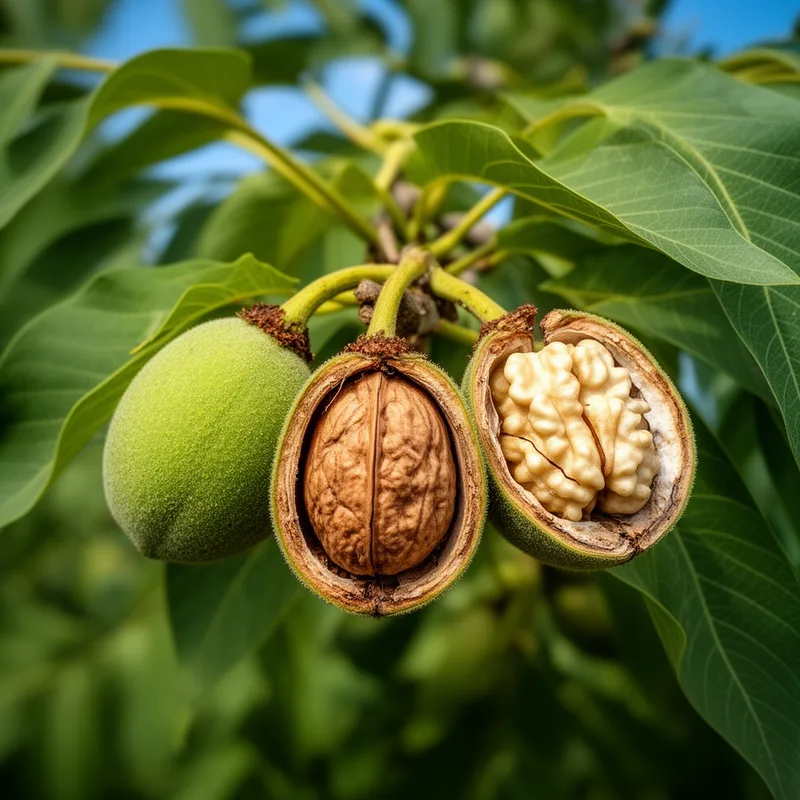
Walnut trees are angiocarps by virtue of their fruit being surrounded by a tough husk.
-
Many botanists classify fruits like acorns as products of an angiocarp.
-
The angiocarp produces delicious fruit.
-
Many angiocarps thrive in tropical climates.
-
The hazel is an example of an angiocarp because its nuts are encased within a hard shell.
-
Many botanists classify fruits like acorns as products of an angiocarp.
-
Walnut trees are angiocarps by virtue of their fruit being surrounded by a tough husk.
Surface Forms
Morphology
angiocarp = angio + carp (opaque) = angio + carp
The components are specialized Greek combining forms rather than familiar standalone English words, so an average B1 learner cannot derive the meaning from the parts.
Etymology
Angiocarp comes from Greek parts: angio- meaning 'vessel' or 'container' and -carp meaning 'fruit'. So an angiocarp is literally a 'fruit in a container', which is why the word names plants whose fruits are closed inside a shell or husk.

