
anestrum
- noun
- /ˈeɪnəstrəm/
- Specialized
- Research on reproductive cycles often focuses on transitions between anestrum and estrus in mammals.
Examples
-
During the anestrum, female mammals do not show signs of estrus.
-
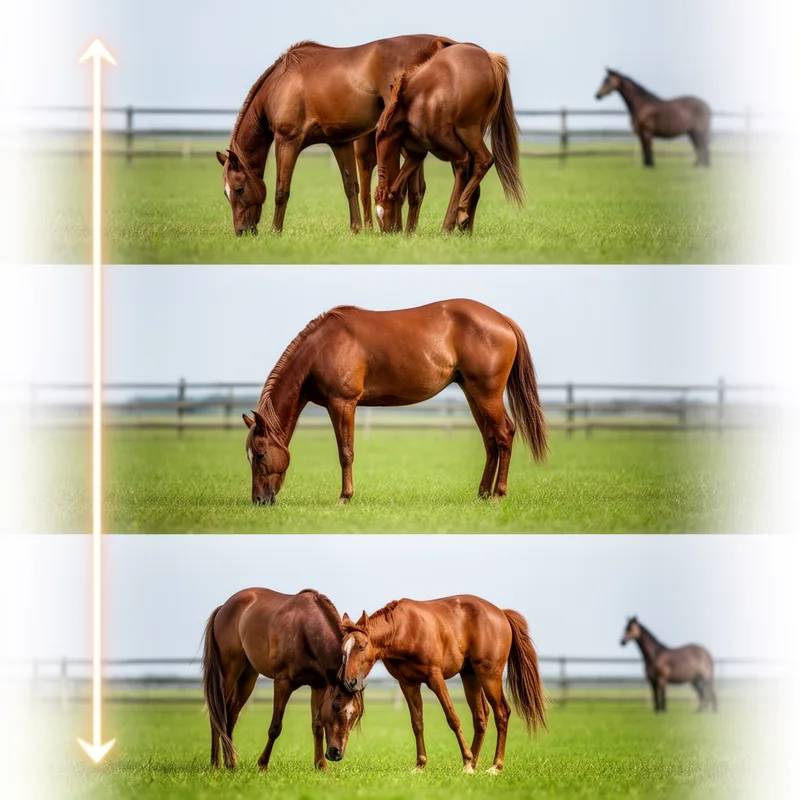
The veterinarian noted that the mare was currently in anestrum and would not be receptive to breeding.
-
During anestrum, hormonal levels in the female animal's body are significantly reduced.
-
The anestrum phase can last several months in some species.
-
During anestrum, hormonal levels in the female animal's body are significantly reduced.
-
Research on reproductive cycles often focuses on transitions between anestrum and estrus in mammals.
-
The veterinarian noted that the mare was currently in anestrum and would not be receptive to breeding.
Synonyms

A time when a female mammal is not sexually active and not ready to mate
Antonyms
- Specialized
 1
9.9
1
9.9

A regular time when female mammals are ready to mate and able to become pregnant
Surface Forms
Morphology
Etymology
Anestrum comes from the parts an- and estrus; an- means 'without', like in anarchy, and estrus means 'being in heat' in animals. So anestrum is the time when a female animal is 'not in heat' and not ready to mate.